What Is a Pigtail in Automotive Wiring?
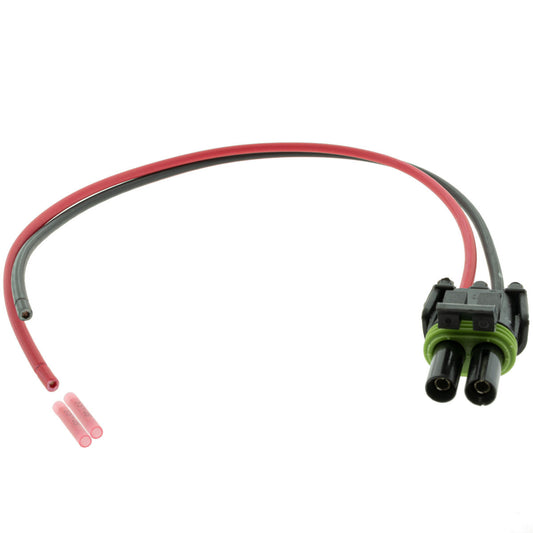
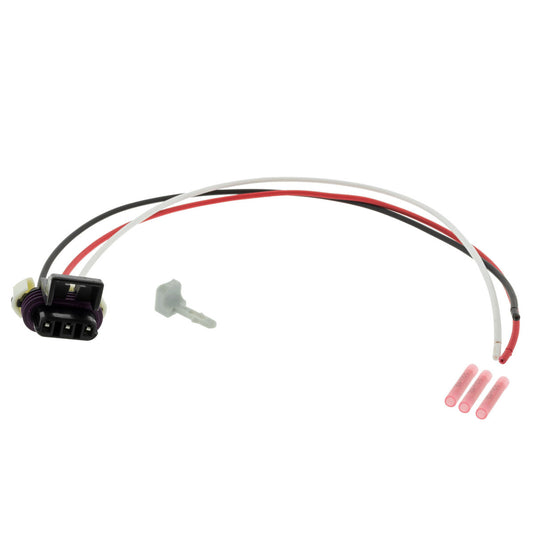
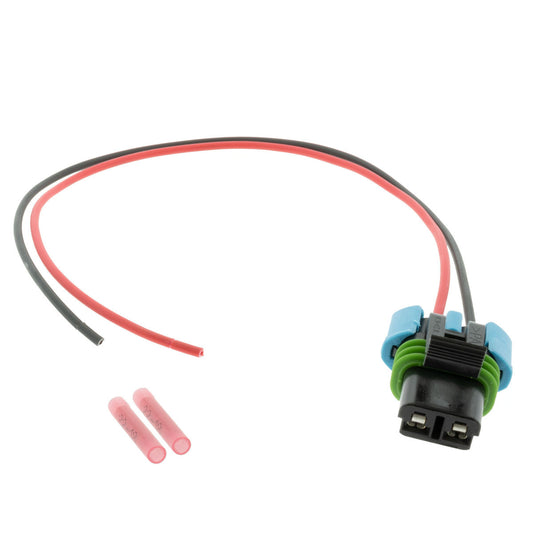
Short answer: An automotive wiring pigtail is a short section of wire with a pre-attached connector that lets you repair or replace a damaged plug without replacing the entire harness. It provides a plug-and-play repair solution that restores OEM fit, seal, and electrical reliability.
Pigtails are widely used by mechanics, auto electricians, and DIY installers to fix broken connectors, extend circuits, or retrofit new accessories—all while maintaining factory-quality performance.
Pigtail Construction and Components
A quality automotive pigtail assembly typically includes:
-
Sealed connector housing: Weather-resistant connectors from Deutsch, TE Connectivity (AMP), or Delphi/Aptiv prevent corrosion and moisture intrusion.
-
Pre-installed terminals: Factory-crimped or soldered pins deliver consistent low-resistance electrical contact.
-
Pre-stripped wire leads: Automotive-grade copper wire (usually 20-12 AWG) ready for splicing.
-
Strain relief: Reinforces the transition between connector and wire to reduce fatigue in high-vibration areas.
Automotive pigtails act as a bridge between damaged and existing wiring, simplifying repairs while maintaining electrical integrity.
Pigtails vs. Standard Wire Connectors
Standard automotive connectors require two mating halves. Pigtails, on the other hand, come pre-terminated on one side so you can splice directly into existing wiring.
This makes them ideal for:
-
Replacing melted headlight or sensor plugs without full harness access
-
Adding circuits for aftermarket lighting or accessories
-
Upgrading to sealed connectors in harsh environments
-
Repairing broken or corroded terminals while keeping OEM wiring intact
💡 Pro Tip: For weather-sealed repairs, use Deutsch DT connector kits with adhesive-lined heat shrink tubing for a long-lasting, moisture-proof seal.
Why Use Pigtails for Automotive Electrical Repairs?
Fast, Cost-Effective Wiring Repairs
Replacing an entire harness can cost hundreds—or even thousands—of dollars in parts, tooling, and labor. Pigtails isolate and repair only the damaged section, reducing:
- Time spent completing the repair
- Cost of parts
- Cost of specialized tooling (that may only be used a few times)
-
Vehicle downtime for fleets or work vehicles
They’re the go-to fix for burnt headlight sockets, sensor corrosion, or broken clip-locks that otherwise require harness disassembly.
Maintaining OEM Electrical Standards
OEM-equivalent pigtails match factory specifications for:
-
Wire gauge and current capacity
-
Connector keying and locking tabs
-
Sealing ratings (IP67–IP69K)
-
Terminal plating and material
Using TE Connectivity AMP, Delphi Metri-Pack, or Deutsch DT pigtails ensures proper communication between modules and sensors—preventing voltage loss or diagnostic codes.
Reference: TE Connectivity Automotive Solutions · Aptiv Connection Systems
Extending the Life of Older Vehicle Wiring
In classic cars or high-mileage trucks, wiring can become brittle and corroded. Replacing connectors with new pigtails restores:
-
Consistent voltage delivery to lighting and sensors
-
Reliable ground continuity
-
Proper seal integrity against moisture and debris
-
Mechanical strength in high-vibration or under-chassis locations
Common Automotive Pigtail Applications
Headlight and Tail Light Connector Repairs
Lighting systems are the #1 use case for pigtails. High-output bulbs create heat that degrades factory connectors, leading to:
-
Dim or flickering lights
-
Melted housings
-
Intermittent signals or fog-light failures
Solution: Use pigtails with hi-temp wire rated to 150–200 °C and sealed connectors like Delphi Weather-Pack or Deutsch DT Series.
🔗 Need parts fast? Shop Deutsch lighting pigtails and crimping tools for 20-minute OEM-grade repairs.
Engine Sensor and ECM Connector Replacement
Modern vehicles rely on dozens of low-voltage sensor circuits feeding the ECM. Damaged plugs can trigger:
-
Check-engine lights or stored fault codes
-
Poor fuel economy
-
Failed emissions tests
Recommended connectors:
-
Deutsch DTM Series for low-current signal circuits
-
Deutsch DT Series for higher-amperage power circuits
-
TE AMP Econoseal for compact automotive sensors
🧠 Tip: Match wire gauge using our Automotive Wire Gauge Guide to avoid voltage drop.
Aftermarket Accessory Installation
Adding accessories like cameras, LED light bars, or stereos often requires splicing into OEM wiring. Pigtail adapters maintain reversibility and warranty compliance by avoiding direct cuts to the factory harness.
-
Simplify installations
-
Maintain color-coded identification
-
Allow future upgrades without harness damage
Heavy-Duty and Marine Applications
Vehicles in off-road, marine, or industrial settings face water, vibration, and extreme temperatures. Deutsch DT, DTM, and HDP20 Series connectors with IP68–IP69K sealing offer unmatched reliability in:
-
Construction machinery
-
Agricultural equipment
-
Marine outboards and ATVs
🔗 Explore Sealed Connector Kits for harsh-environment performance.
How to Install Automotive Wiring Pigtails
Proper Crimping Techniques for Reliable Connections
Crimping is the preferred OEM method—it’s faster, vibration-resistant, and compliant with SAE J2030 standards.
-
Use a ratcheting crimp tool (not pliers) for consistent compression.
-
Match terminal size to wire gauge (16–18 AWG most common).
-
Perform a pull test—the wire should withstand 10–20 lbs tension.
-
Crimp conductor and insulation separately for strain relief.
🔧 Find professional-grade crimping tools tested for Deutsch and Delphi terminals.
Soldering Techniques
Soldering creates low-resistance joints, best for signal circuits. Follow best practices:
-
Use rosin-core 60/40 or lead-free solder.
-
Heat wire and terminal together; don’t melt solder directly.
- Avoid soldering high-vibration connections—crimps perform better there.
Butt Splice Installation (Fastest & Easiest Method)
Butt splices are one of the most common and efficient ways to install automotive pigtails, especially for straight wire-to-wire repairs.
Use butt splices when:
- Replacing a damaged connector with minimal harness access
- Performing quick, repeatable repairs
- Working on lighting, sensor, or accessory circuits
Best practices for butt splice pigtail installs:
-
Select the correct butt splice size for the wire gauge (color-coded or labeled by AWG).
-
Strip wire insulation evenly—do not nick the conductor.
-
Insert the factory wire into one side and the pigtail lead into the other until fully seated.
-
Crimp using a ratcheting crimp tool for a gas-tight connection.
-
Seal the splice using adhesive-lined heat shrink or use heat-shrink butt connectors for a one-step crimp-and-seal solution.
Butt splices provide excellent mechanical strength, consistent electrical performance, and are often the fastest installation method for most pigtail repairs when properly sealed.
Weatherproofing and Heat-Shrink Protection
Every splice should be sealed against corrosion:
-
Adhesive-lined heat shrink tubing (dual-wall) for watertight seals.
-
Sealed butt connectors for one-step crimp + seal.
-
Liquid electrical tape for irregular shapes.
Always extend protection at least ¼ inch beyond the splice.
Testing the Repair
Post-installation testing confirms reliability:
-
Continuity test: 0 Ω across the joint.
-
Voltage-drop test: < 0.2 V on 12 V circuits.
-
Pull test: 15–20 lbs mechanical strength
-
Visual: proper crimp deformation, centered insulation, and sealed heat shrink.
Advantages and Disadvantages of Automotive Pigtails
Key Benefits
⏱ Time savings: Repairs take minutes, not hours.
💲 Lower cost: $10–$50 in parts vs. $200–$2,000 harnesses.
🔧 Reliability: Restores factory sealing and contact pressure.
🧩 Flexibility: Ideal for retrofits or custom upgrades.
⚡ Diagnostic aid: Swap suspect connectors quickly during troubleshooting.
Potential Drawbacks
-
Poor crimps or mismatched gauges can cause voltage drop.
-
Aftermarket pigtails vary—use only OEM-equivalent materials.
-
Multi-point corrosion may require full harness replacement.
✅ Shop OEM-grade connector kits to ensure proper seals, terminals, and wire gauges.
Automotive Pigtail FAQs (People Also Asked)
Are automotive pigtails universal?
Not usually. While common connector families (Weather-Pack, Econoseal, Metri-Pack) exist, most pigtails are vehicle- or system-specific. Always match connector series, gender, and wire gauge.
Should I use a pigtail or replace the whole harness?
Use a pigtail for isolated damage or single-connector failure. Replace the full harness if:
-
Multiple circuits are corroded
-
Wires are brittle or heat-damaged
-
The harness has suffered fire or water intrusion
Do pigtails reduce performance or cause voltage drop?
No—if installed correctly with matched gauge and gas-tight crimps. Issues arise only from undersized wire or poor connections.
What gauge wire should a headlight pigtail use?
Most headlight circuits use 14–16 AWG. Verify the current load and follow the OEM spec.
🔗 Reference our Automotive Wire Gauge Guide for exact sizing.
Where can I buy quality automotive pigtails?
Purchase from verified suppliers like Custom Connector Kits, which stocks OEM-equivalent pigtails from Deutsch, TE Connectivity, and Delphi. Avoid unbranded connectors lacking seals or proper wire insulation.
Conclusion: Choose the Right Pigtail for Reliable Automotive Repairs
Automotive wiring pigtails are the professional’s shortcut to safe, reliable electrical repairs—ideal for headlights, sensors, and aftermarket installations. Choosing OEM-grade connectors, using proper crimping techniques, and sealing each splice ensures your work meets or exceeds factory standards.
⚙️ Ready to repair like a pro? Explore Deutsch and AMP pigtail kits and shop ratcheting crimp tools to make every connection last.