DEUTSCH Jiffy Splice vs Permanent Splice: Which Is Better?
DEUTSCH Jiffy Splices are designed to provide a durable, environmentally sealed wire repair solution for field-service applications where soldering may be impractical. Permanent splices are typically preferred when creating a fixed electrical connection intended to remain in place for the life of the system.
In heavy equipment, fleet, agricultural, and industrial electrical systems, the best splice method depends on repair conditions, environmental exposure, long-term reliability requirements, and future serviceability needs.
While both splice types are commonly used in electrical repairs, connector-based solutions may offer additional advantages when routine maintenance, component replacement, or future troubleshooting is expected.
Why Splice Type Matters in Field Service
In industrial, fleet, agricultural, and heavy equipment applications, electrical repairs are often performed in difficult field conditions.
These environments may include:
- Exposure to moisture and dust
- Mud, vibration, and temperature cycling
- Limited access to tools
- Time-sensitive repair situations
- Poor lighting or restricted access areas
Choosing the correct repair method directly impacts:
- Equipment uptime
- Repair speed
- Long-term reliability
- Troubleshooting difficulty
- Risk of repeat failures
Understanding the differences between DEUTSCH Jiffy Splices and permanent splices helps technicians and engineers select the right solution for the application.
What Is a DEUTSCH Jiffy Splice?
A DEUTSCH Jiffy Splice is a sealed wire repair system designed specifically for repairing damaged wiring harnesses in harsh operating environments.
Unlike traditional soldered repairs, a Jiffy Splice allows technicians to restore electrical continuity without soldering while maintaining environmental protection suitable for heavy equipment, fleet, agricultural, and industrial applications.
The system uses crimped contacts housed within a sealed connector body, creating a water-resistant repair designed to withstand moisture, vibration, dirt, and other environmental challenges commonly found in field-service environments.
Key characteristics include:
- Environmentally sealed design
- No soldering required
- Designed for field harness repair
- Durable crimped electrical connection
- Water-resistant construction
- Serviceable with proper tooling
DEUTSCH Jiffy Splices are commonly used when:
- A damaged harness must be repaired in the field
- Downtime must be minimized
- Environmental sealing is required
- Soldering equipment is unavailable or impractical
- Harness replacement is not immediately possible
These systems are designed to provide a durable repair solution while simplifying field installation.
Common Applications for DEUTSCH Jiffy Splices
DEUTSCH Jiffy Splices are commonly used in:
- Heavy equipment harness repair
- Agricultural equipment wiring repairs
- Fleet maintenance and service operations
- Construction equipment repairs
- Mining equipment electrical repairs
- Emergency field service situations
- Remote equipment troubleshooting
- Inline wire repair applications
These repairs often prioritize minimizing downtime while maintaining environmental protection.
Advantages of DEUTSCH Jiffy Splices
1. Fast Field Installation
Jiffy Splices allow technicians to:
- Restore electrical continuity quickly
- Minimize equipment downtime
- Complete repairs in remote environments
This is especially valuable in fleet and heavy equipment operations where productivity depends on rapid service restoration.
2. Environmentally Sealed Design
Unlike many traditional repair methods, DEUTSCH Jiffy Splices are designed with sealing features that help protect the repair from:
- Moisture intrusion
- Dirt and debris
- Corrosion
- Environmental contamination
This makes them well suited for harsh operating environments.
3. No Soldering Required
One of the primary advantages of a DEUTSCH Jiffy Splice is the ability to perform a reliable wire repair without soldering.
This can be particularly beneficial when:
- Working in remote locations
- Repairing equipment in the field
- Soldering equipment is unavailable
- Rapid repairs are required
Proper crimp termination helps maintain electrical performance while simplifying the repair process.
4. Reduced Harness Replacement Costs
In many situations, a damaged section of wiring can be repaired without replacing an entire harness assembly, helping reduce repair costs and equipment downtime.
Considerations for DEUTSCH Jiffy Splices
While Jiffy Splices offer significant advantages for field repairs, they are not intended to function like a traditional plug-and-play connector.
Considerations include:
- Proper crimping technique remains critical
- Correct tooling is required for un-mating
- Long-term performance depends on repair quality
- The system is serviceable but not designed for frequent disconnect cycles
Performance depends heavily on proper installation and application conditions.
Important Serviceability Considerations
Although DEUTSCH Jiffy Splices are not permanent connections, they are also not intended for routine connection and disconnection like a standard electrical connector.
If disassembly becomes necessary:
- A compatible DEUTSCH terminal removal tool is typically required
- Improper removal can damage contacts or seals
- Serviceability is more limited than a dedicated connector system
For applications requiring frequent maintenance access, routine component replacement, or repeated disconnect cycles, a connector-based solution may be a better choice.
What Is a Permanent Splice?
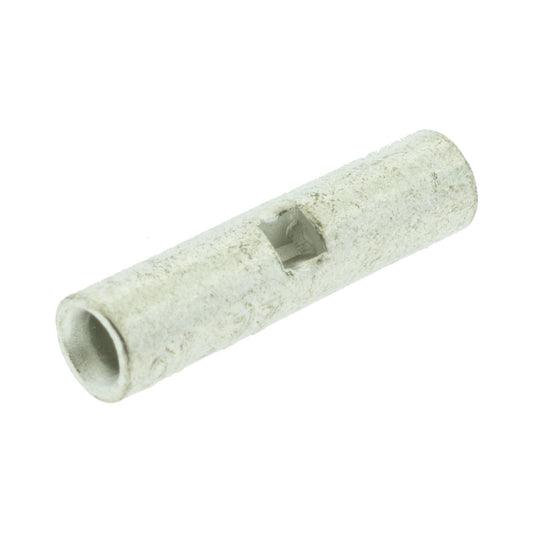
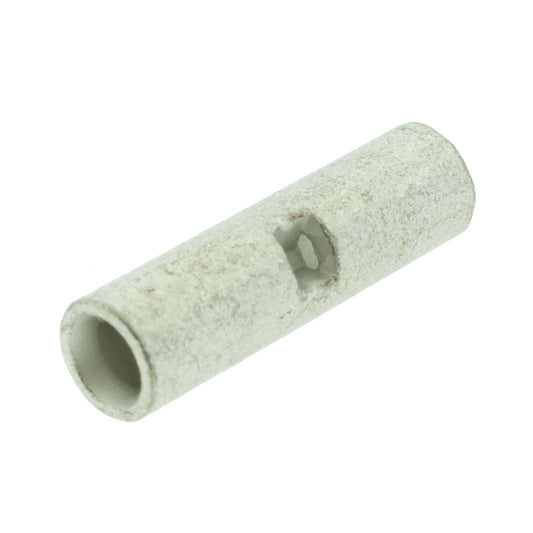
A permanent splice is a fixed electrical connection designed for long-term use and stable electrical performance.
Common permanent splice types include:
- Crimped splices
- Soldered connections
- Heat-shrink sealed splices
- Environmentally sealed wire splices
These connections are intended to:
- Remain in place for the life of the system
- Provide reliable electrical contact
- Resist environmental exposure when properly sealed
Permanent splices are commonly used in industrial wiring, factory harnesses, and long-term electrical repair applications.
Common Applications for Permanent Splices
Permanent splices are commonly used in:
- Factory-installed wiring systems
- Long-term harness repairs
- Industrial electrical installations
- Sealed outdoor wiring systems
- Permanent heavy equipment repairs
- Fixed electrical harness assemblies
These applications prioritize durability and long-term reliability.
DEUTSCH Jiffy Splice vs Permanent Splice: Key Differences
|
Feature |
DEUTSCH Jiffy Splice |
Permanent Splice |
|
Installation Speed |
Faster |
Slower |
|
Environmental Protection |
Sealed, water-resistant design |
Depends on sealing method |
|
Soldering Required |
No |
Sometimes |
|
Long-Term Durability |
High when properly installed |
High when properly installed |
|
Serviceability |
Limited, requires removal tool |
Fixed connection |
|
Vibration Resistance |
Strong |
Depends on installation quality |
|
Downtime Reduction |
Excellent |
Moderate |
|
Typical Use |
Harness repair and field service |
Permanent wiring installation |
Both splice methods serve important purposes depending on repair conditions and long-term system requirements.
How to Choose Between a DEUTSCH Jiffy Splice and a Permanent Splice
When selecting a repair method, evaluate:
- Repair urgency
- Environmental exposure
- Vibration levels
- Future maintenance requirements
- Tool availability
- Long-term service expectations
- Expected lifespan of the repair
In harsh environments, reliability often depends as much on installation quality and environmental protection as it does on the repair method itself.
When to Use a DEUTSCH Jiffy Splice
A DEUTSCH Jiffy Splice is often the preferred choice when:
- A damaged harness must be repaired quickly
- Downtime must be minimized
- Environmental sealing is required
- Soldering is impractical
- Equipment is being serviced in the field
- Harness replacement is not immediately feasible
- Specialized crimping and removal tooling is available
These systems provide a durable repair solution while supporting efficient field service operations.
When to Use a Permanent Splice
A permanent splice is often preferred when:
- Long-term reliability is the primary goal
- Proper installation conditions are available
- Environmental exposure is significant
- The repair is expected to remain undisturbed
- Future service access is unlikely
Permanent splice systems remain a common solution for fixed wiring installations and long-term harness repairs.
When a Connector May Be Better Than Either Splice
In many harsh-environment electrical systems, a sealed connector-based solution may provide advantages over both splice types.
Benefits may include:
- Easier future maintenance
- Improved serviceability
- Faster troubleshooting
- Reduced repeat failure risk
- Better environmental sealing
- Simplified component replacement
In many heavy equipment and fleet applications, serviceable connector systems provide a more maintainable long-term solution than permanent wire splicing.
Single Terminal Connector vs Splice
Common Challenges During Field Electrical Repairs
Field electrical repairs often involve:
- Limited access to tooling
- Wet or dirty environments
- Poor visibility
- Time-sensitive downtime pressure
- Improper wire preparation
- Vibration-prone operating conditions
These factors can significantly affect repair quality and long-term electrical performance.
How Repair Quality Affects Reliability
Regardless of repair method, electrical performance depends on:
- Correct wire preparation
- Proper crimping technique
- Adequate environmental sealing
- Proper strain relief
- Correct wire gauge compatibility
Improper installation can lead to:
- Increased resistance
- Corrosion
- Voltage drop
- Intermittent electrical faults
- Premature failure
A proper gas-tight crimp termination is critical for maintaining electrical reliability.
How Gas-Tight Crimps Improve Connector Reliability
Signs a Splice Repair May Be Failing
Common signs of splice failure include:
- Intermittent power loss
- Heat buildup near the repair
- Corrosion around the splice
- Voltage drop under load
- Vibration-related electrical faults
- Discoloration of insulation
- Unstable equipment operation
These symptoms are common in harsh-environment electrical systems exposed to vibration and contamination.
Common Failure Modes in Splices
Splices can fail due to:
- Moisture intrusion
- Poor sealing
- Incomplete crimping
- Vibration-induced stress
- Oxidation over time
- Improper strain relief
These issues frequently contribute to electrical failures in heavy equipment and industrial applications.
Electrical Failure Causes in Heavy Equipment
Practical Example: Field Repair Decision
Scenario
- Equipment fails in the field
- Immediate repair is required
- Environmental conditions are poor
Option 1: DEUTSCH Jiffy Splice
- Quick repair completed
- Environmentally sealed connection restored
- Equipment returned to service rapidly
- No soldering required
Option 2: Permanent Splice
- Longer installation time
- Better suited for fixed repairs
- Requires proper installation conditions
- May require soldering or additional sealing
Option 3: Connector-Based Solution
- Serviceable electrical connection
- Easier future maintenance
- Reduced repeat failures
- Faster future troubleshooting
The best repair method depends on balancing downtime pressure with long-term reliability requirements.
Frequently Asked Questions
What is a DEUTSCH Jiffy Splice?
A DEUTSCH Jiffy Splice is a sealed wire repair system designed to restore damaged wiring harnesses without soldering while maintaining environmental protection.
Are DEUTSCH Jiffy Splices waterproof?
DEUTSCH Jiffy Splices incorporate environmental sealing features that help protect repairs from moisture, contamination, and harsh operating conditions when properly installed.
Do DEUTSCH Jiffy Splices require soldering?
No. Jiffy Splices are designed to create a reliable electrical repair using crimped contacts, eliminating the need for soldering.
Are DEUTSCH Jiffy Splices permanent repairs?
DEUTSCH Jiffy Splices are designed as durable field-repair solutions rather than temporary emergency fixes. While they can be disassembled if necessary, doing so typically requires the appropriate DEUTSCH terminal removal tool and is not intended for frequent servicing.
Which splice is better for field service?
For field harness repair, DEUTSCH Jiffy Splices often provide advantages in installation speed, environmental protection, and repair convenience. Permanent splices may be preferred when creating fixed wiring connections intended to remain undisturbed for the life of the system.
Can vibration damage a splice repair?
Yes. Repeated vibration can weaken improperly supported or poorly sealed splice connections over time.
What is the most reliable repair method for harsh environments?
The most reliable solution depends on the application. Properly installed sealed splices and connector systems generally provide the best performance in harsh operating environments.
Conclusion
Choosing between a DEUTSCH Jiffy Splice and a permanent splice depends on the application, environmental conditions, repair objectives, and future serviceability requirements.
DEUTSCH Jiffy Splices provide a durable, environmentally sealed wire repair solution that allows technicians to restore damaged harnesses without soldering while minimizing equipment downtime. Permanent splices continue to serve an important role in fixed wiring installations where long-term, non-serviceable connections are preferred.
For applications requiring routine maintenance access, component replacement, or frequent serviceability, connector-based solutions may offer additional advantages.
CCK supplies DEUTSCH Jiffy Splices, sealed connector systems, single terminal connectors, contacts, and tooling designed to support reliable electrical performance in demanding industrial, agricultural, fleet, and heavy-equipment environments.