Quick Diagnostic Summary
To determine whether a vehicle’s electrical fault comes from wiring or a connector, check:
-
Continuity: Stable, low resistance indicates healthy wiring.
-
Voltage drop: High drop under load often points to a connector or terminal issue.
-
Movement sensitivity: Faults triggered by vibration or harness movement typically indicate loose pins, terminal tension loss, or internal wire breaks.
-
Corrosion or heat marks: Terminal discoloration, oxidation, or melted housings signal connector failure.
-
Insulation integrity: Wiring failures show fraying, melting, or pinched insulation.
These steps form the foundation of an accurate electrical diagnosis.
Introduction: Why Electrical Issues Can Be Hard to Pinpoint
Electrical systems in modern vehicles have become more complex, featuring dozens of sensors, modules, and interconnected harnesses. A simple flicker or intermittent failure may originate from either:
-
The wiring (conductor issues, abrasion, heat degradation)
-
The connector or terminal (pin tension loss, corrosion, housing damage)
Misdiagnosis leads to wasted parts, repeated failures, and unnecessary labor.
Wiring vs Connector Problems Explained
Wiring Issues:
-
Broken or fatigued conductors inside seemingly intact insulation
-
Shorts to ground from insulation rubbing against brackets
-
Melted insulation near engine or exhaust components
-
Pinched or stretched wires causing intermittent opens
Connector Problems:
-
Terminal corrosion (green/white oxidation, loss of plating)
-
Loose or backed-out pins due to damaged locks or missing wedgelocks
-
Heat damage causing warping or melted housings
-
Poor crimps causing micro-gaps and voltage loss
Why Proper Diagnosis Saves Time and Parts
Correct identification avoids:
-
Replacing good components
-
Misdiagnosing sensors or modules
-
Time-consuming “harness hunting”
-
Repeat comebacks due to incomplete repairs
Wiring vs Connector Problems: Quick Comparison Table
|
Diagnostic Sign |
Likely Wiring Issue |
Likely Connector Issue |
|
Failure only occurs during movement |
✔ Internal conductor break |
✔ Loose pin or poor terminal retention |
|
Visible corrosion |
Rare on wire |
✔ Very common in terminals |
|
High resistance reading |
✔ Broken insulation or frayed conductor |
✔ Poor crimp, oxidized pin |
|
Melted plastic |
✔ Excess current heating the wire |
✔ Arcing from high-resistance terminal |
|
Voltage present but component won’t run |
Rare |
✔ High-resistance connector |
|
Intermittent behavior |
✔ If wire is pinched |
✔ Common symptom of connector faults |
Common Symptoms of Electrical Connection Problems
Intermittent Power or Flickering Lights
This often indicates:
-
Terminal spring tension loss
-
Bad pin-to-socket contact
-
Internal wire breaks that open/close with vibration
Mechanics see this frequently on headlight pigtails, blower motor connectors, and ignition coil connectors.
Component Failure After Movement or Vibration
Movement-triggered faults signal:
-
Loose connector locks
-
Backed-out pins
-
Conductor fatigue inside the wire bundle
These issues won’t reliably show during static testing.
Corrosion or Heat Damage at Terminals
Corrosion begins when moisture bypasses the seal or when plating wears away. Results include:
-
High resistance
-
Incorrect sensor readings
-
Accelerated heat damage and possible arcing
-
Loss of connector sealing integrity
Burnt Odor or Visible Melting on Wires or Housings
This indicates:
-
Poor terminal crimp
-
Excessive resistance causing heat buildup
-
Pin/socket arcing
-
Surrounding insulation breakdown
Melt patterns often identify precisely where the failure started.
Step 1: Visual Inspection
Check for Frayed, Pinched, or Exposed Wires
Examine areas where harnesses:
-
Pass through door jambs
-
Lay across metal brackets
-
Run near exhaust heat
-
Bend or flex repeatedly
Internal breaks often occur long before the insulation shows visible damage, especially in tight routing areas.
Inspect Connector Housings for Cracks or Burn Marks
Look for:
-
Melted seal pockets
-
Deformed housings that prevent proper pin alignment
-
Broken latch tabs
-
Missing or misaligned wedgelocks
Any deformation can prevent correct terminal tension and locking.
Look for Corrosion or Moisture at Terminals
Indicators include:
-
Green crust (copper oxidation)
-
White powder (aluminum/metal oxide)
-
Brown/black discoloration from overheating
-
Evidence of water intrusion inside seals
Once corrosion enters the pin cavity, pin fit becomes unreliable.
Step 2: Perform a Continuity Test
Using a Multimeter to Test the Wire Path
Set the multimeter to ohms or continuity mode.
Good wiring should measure:
-
0.1–0.5 ohms across most short harness sections
-
Stable, non-fluctuating results
Testing from End to End for Breaks or Resistance
Continuity testing identifies:
-
Internal conductor fractures
-
High-resistance stretches
-
Shorts where insulation has failed
Interpreting Readings: What Open or High Resistance Means
High resistance suggests:
-
Conductor corrosion inside insulation
-
Fatigue or stretching
-
Poor OEM or aftermarket splicing
-
Incorrect terminal crimping
Open circuits confirm a complete break.
Step 3: Check for Voltage Drop or Power Loss
Testing Under Load Conditions
Voltage drop testing reveals what continuity cannot:
A wire may show perfect continuity but fail completely under load due to a high-resistance terminal.
Signs of Weak Crimps or Loose Terminal Fit
A terminal with poor mechanical compression produces:
-
Micro-gaps between conductor and barrel
-
Arcing under load
-
Heat discoloration
-
Melted connector pockets
How Connector Corrosion Creates False Negatives
Corroded terminals pass current but fail under load, creating:
-
Sensor failures
-
Random ECU codes
-
Flickering components
These can be “false negative” situations, often misdiagnosed as wiring faults.
Step 4: Wiggle and Stress Testing
Simulating Real-World Movement to Expose Faults
Gently wiggle:
-
Harness branches
-
Connector bodies
-
Individual wires entering terminals
Movement-triggered failures indicate:
-
Internal breaks
-
Terminal retention issues
-
Loose or damaged locks
-
Seal deformation causing pin misalignment
Spotting Loose Terminal Locks or Poorly Seated Pins
Symptoms include:
-
Pins pushing out during mating
-
Inconsistent voltage at the component
-
TPA (terminal position assurance) or wedgelock not fully seated
Step 5: Isolating the Fault — Wire or Connector?
When the Wire Is at Fault
Look for:
-
High, fluctuating resistance
-
Shorts to chassis ground
-
Melted or brittle insulation
-
Heat-induced copper oxidation traveling inside the strands
-
Areas previously repaired or spliced
When the Connector or Terminal Is the Problem
Connector-related symptoms include:
-
Green/white corrosion
-
Loose, wobbly pins
-
Melted housings
-
Terminals with lost spring tension
-
Poor pin/socket mating engagement
How to Confirm by Swapping or Replacing Components
Diagnosis shortcuts:
-
Swap identical connectors → if fault moves, connector is bad
-
Bypass with a known-good wire → isolates wiring path
-
Probe directly at component → identifies voltage/ground loss upstream
Tools That Help with Electrical Diagnostics
Multimeter or Test Light
Use for continuity, voltage presence, voltage drop, and load testing.
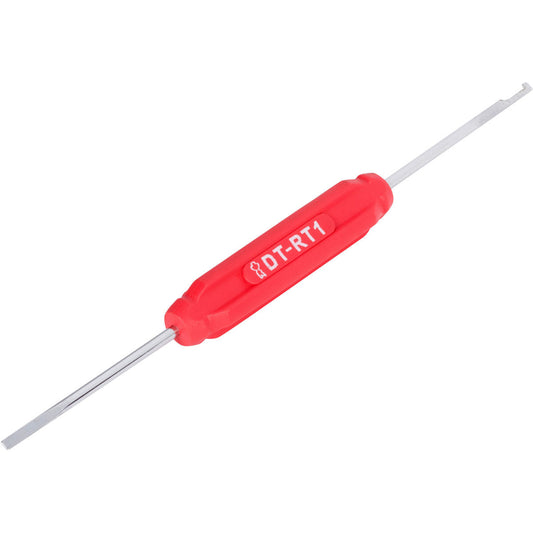
Terminal Removal and Inspection Tools
Essential for examining:
-
Pin tension
-
Terminal corrosion
-
Housing integrity
Crimping and Wire Repair Kits
High-quality tools prevent the common crimp-related failures you find in the field.
CCK provides toolkits compatible with Deutsch, Delphi, and OE-style terminals.
Connector Cleaning and Protection Products
Recommended:
-
Electrical contact cleaner
-
Fiber brushes
-
Dielectric grease
-
Moisture-barrier sprays
When to Replace vs Repair
How to Know If a Connector Is Beyond Repair
Replace if you see:
-
Melted or warped housings
-
Cracked latch arms
-
Deep terminal pitting
-
Missing seals or TPA/wedgelocks
-
Corrosion that has penetrated inside the pin cavity
When to Recrimp or Replace a Terminal
Recrimp if:
-
Wire conductor is undamaged
-
Terminal wear is minimal
-
Housing is intact
Replace if:
-
The terminal has lost spring tension
-
There is evidence of fretting or arcing
How CCK Supplies Replacement Parts for Both Options
CCK offers:
-
Individual terminals
-
Full connector housings
-
OEM-style pigtail repair kits
-
Weather-sealed Deutsch & Delphi connector kits
👉 Shop connectors, repair kits, and terminals:
https://www.customconnectorkits.com
Diagnostic Workflow
-
Identify symptoms → intermittent? vibration-related?
-
Perform visual inspection → look for corrosion, melt marks, frayed insulation
-
Continuity test → check resistance wire end-to-end
-
Voltage drop test → test under actual load
-
Wiggle test → replicate real movement
-
Isolate component → swap connector or bypass wiring
-
Confirm fix → replace only failed part
People Also Asked
What’s the most common cause of wiring faults in vehicles?
The most common cause is fatigue inside the wire conductor, especially near areas of frequent movement such as door harnesses, tailgate harnesses, and engine-to-chassis flex points.
Can corrosion be cleaned off, or does the connector need replacing?
Light corrosion can be cleaned using contact cleaner and a brush.
But if corrosion has:
-
Penetrated plating
-
Formed green or white powder
-
Caused pitting
- Spread into the wire strands
…then the connector or terminal must be replaced.
Do bad terminals cause intermittent electrical issues?
Yes. Terminals with poor tension or surface corrosion often cause:
-
Sensor dropouts
-
Flickering headlights
-
Random module faults
-
Misfires
-
Inconsistent voltage at components
How do I know if it’s the connector and not the wire?
If the fault changes when the connector is moved, unplugged, or swapped, the connector is the issue. If the fault stays with the circuit regardless of connector changes, the wire is at fault.
Conclusion: Accurate Diagnosis Leads to the Right Fix
Diagnosing wiring vs connector problems requires a structured approach: visual inspection, continuity testing, voltage drop analysis, stress testing, and component isolation. With the right tools, clear diagnostics, and quality replacement parts, you can confidently identify the source of any electrical fault.
Find Reliable Replacement Connectors and Terminals at Custom Connector Kits (CCK)
CCK offers OEM-grade wiring solutions, including:
-
Weather-sealed Deutsch DT, DTM, and DTP connectors
-
Delphi Packard Weather-Pack systems
-
Heat-resistant wiring
-
Repair pigtails and terminal kits
-
Professional-grade crimping and diagnostic tools
👉 Shop CCK connectors & wiring kits:
https://www.customconnectorkits.com