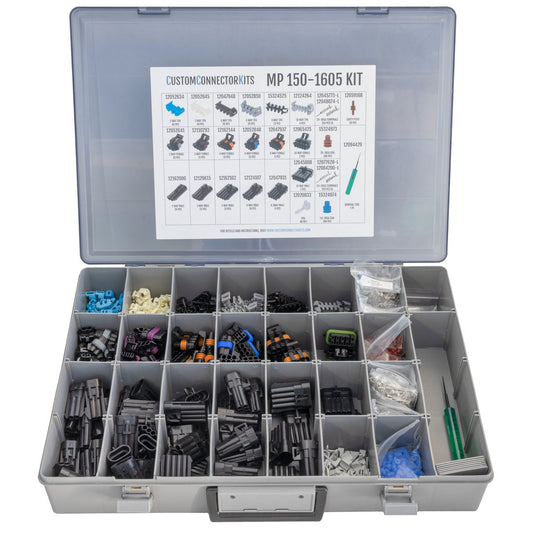
Marine Sealed Connectors
Reliable marine sealed connectors are designed to protect electrical connections from moisture, salt spray, corrosion, and environmental exposure. A dependable marine connector system combines environmental sealing, corrosion-resistant materials, proper contact selection, and correct termination practices to maintain electrical reliability in harsh marine environments.
Why Marine Electrical Systems Face Unique Challenges
Marine environments are among the most demanding conditions for electrical systems.
Unlike many industrial applications where equipment may experience occasional moisture exposure, marine systems are often exposed continuously to:
-
Saltwater
-
Salt spray
-
High humidity
-
Condensation
-
UV exposure
-
Temperature changes
-
Limited maintenance access
These conditions create an environment where even small weaknesses in electrical connections can lead to long-term reliability issues.
Marine equipment depends on electrical connectors for critical systems including:
-
Navigation equipment
-
Lighting systems
-
Control systems
-
Sensors
-
Communication equipment
-
Power distribution
A connector failure in a marine application can create more than a simple repair issue. It can result in:
-
Equipment downtime
-
Difficult troubleshooting
-
Increased maintenance requirements
-
Reduced system reliability
Selecting the correct marine electrical connectors requires understanding how moisture, salt, and environmental exposure affect electrical performance over time.
Why Salt Spray Is Especially Damaging to Electrical Connectors
Salt spray creates a unique challenge because salt is conductive and accelerates corrosion when combined with moisture.
When salt deposits collect on electrical components, they can contribute to:
-
Corrosion at contact surfaces
-
Increased electrical resistance
-
Signal degradation
-
Intermittent electrical faults
Over time, corrosion can compromise the connection between the contact and conductor, reducing electrical performance.
This is why a connector designed for marine use must address more than water exposure alone.
A reliable marine connector system should consider:
-
Environmental sealing
-
Material compatibility
-
Contact protection
-
Proper termination
-
Long-term serviceability
How Salt Spray Causes Connector Failure
Connector failures in marine environments typically develop gradually.
The failure process often follows this pattern:
-
Moisture or salt enters the connector environment
-
Corrosion begins at exposed metal surfaces
-
Electrical resistance increases
-
Heat generation may increase under load
-
Intermittent faults or connection failure develop
|
Environmental Exposure |
Potential Connector Impact |
|
Salt spray |
Contact corrosion and oxidation |
|
High humidity |
Moisture intrusion |
|
Temperature changes |
Seal stress and condensation |
|
Vibration |
Contact movement and wear |
|
Poor termination |
Increased resistance and heat |
Understanding this failure process helps engineers select connectors based on actual environmental conditions rather than simply choosing a product labeled as waterproof.
What Makes a Marine Electrical Connector Reliable?
A reliable marine connector system depends on several design elements working together.
Environmental sealing is important, but it is only one part of the complete solution.
A high-quality marine electrical connector should be evaluated based on:
-
Sealing performance
-
Corrosion resistance
-
Contact system design
-
Termination quality
-
Mechanical retention
-
Serviceability
Environmental Sealing: Protecting Against Moisture and Contamination
The first requirement for marine applications is preventing contaminants from reaching the electrical contact interface.
A properly designed sealed electrical connector uses multiple protection points.
These may include:
Wire Entry Seals
Wire seals help prevent moisture from traveling along the conductor into the connector cavity.
Proper performance depends on:
-
Correct wire diameter
-
Proper seal installation
-
Undamaged sealing components
Interface Seals
Interface seals protect the connection point between mating connector halves.
When fully engaged, these seals help prevent:
-
Water intrusion
-
Salt contamination
-
Dirt and debris entry
However, sealing performance depends on proper installation.
A connector that is not fully mated or has damaged seals may not achieve its intended environmental protection.
IP67 vs IP68 Connectors: What Do IP Ratings Really Mean?
Corrosion Resistance: Why Materials Matter
A common misconception is that all sealed connectors perform equally in marine environments.
Sealing helps prevent contamination, but connector materials also play an important role.
Marine applications require consideration of:
-
Contact materials
-
Housing materials
-
Protective coatings
-
Environmental exposure
The correct material selection depends on the specific application.
For example, a connector exposed to continuous salt spray may have different requirements than one installed in a protected marine enclosure.
Engineers should always evaluate manufacturer specifications when selecting connectors for corrosive environments.
Proper Electrical Termination: The Connection Behind Reliability
Environmental protection begins with the connector housing, but electrical reliability depends on the contact-to-wire connection.
A properly executed gas-tight crimp termination helps:
-
Reduce oxidation risk
-
Maintain electrical conductivity
-
Improve mechanical stability
-
Support long-term reliability
Poor termination can create:
-
Increased resistance
-
Heat buildup
-
Intermittent electrical performance
Even the most environmentally protected connector can fail if the contact system is improperly terminated.
Waterproof vs Marine-Grade Connectors: What Is the Difference?
Many products are described as "waterproof connectors," but water resistance alone does not define marine suitability.
A waterproof marine connector should be evaluated based on the complete operating environment.
Important considerations include:
|
Specification |
Why It Matters |
|
IP rating |
Indicates dust and water protection |
|
Material selection |
Helps determine corrosion resistance |
|
Contact design |
Affects long-term electrical performance |
|
Crimp quality |
Influences resistance and reliability |
|
Vibration resistance |
Maintains connection integrity |
A connector that performs well against water exposure may still require additional consideration for salt, corrosion, and mechanical stress.
IP Ratings for Marine Applications
Ingress protection ratings are commonly used when evaluating connectors exposed to water.
For marine applications, engineers often compare:
-
IP67 connectors
-
IP68 connectors
Both provide dust-tight protection, but the difference is water exposure.
IP67
Designed for temporary immersion under standardized conditions.
Common applications:
-
Splash exposure
-
Washdowns
-
Outdoor equipment
IP68
Designed for continuous immersion under manufacturer-defined conditions.
Important:
Not all IP68 connectors are tested under the same conditions.
Engineers should verify:
-
Immersion depth
-
Duration
-
Manufacturer specifications
The correct connector depends on the actual application.
IP67 vs IP68 Connectors: What Do IP Ratings Really Mean?
Choosing the Right Marine Connector: A Practical Selection Framework
Selecting the correct marine electrical connector requires more than choosing a connector labeled as waterproof or corrosion-resistant.
Marine environments vary significantly depending on the application.
A connector installed on a recreational boat may experience different challenges than one used on:
-
Offshore equipment
-
Commercial vessels
-
Coastal machinery
-
Marine utility vehicles
The correct connector selection should consider:
-
Environmental exposure
-
Mechanical conditions
-
Electrical requirements
-
Service expectations
A practical selection process helps ensure the connector provides the right balance of protection, reliability, and maintainability.
Step 1: Evaluate Environmental Exposure
The first step is understanding how the connector will be exposed during operation.
Consider:
-
Saltwater exposure
-
Salt spray frequency
-
Humidity levels
-
Washdowns
-
Direct immersion potential
-
Chemical exposure
Saltwater environments are especially challenging because corrosion can occur even when connectors are not directly submerged.
For example, a connector mounted near the deck of a vessel may experience continuous salt spray exposure even if it never enters the water.
The appropriate level of environmental connector protection depends on the actual installation location and operating conditions.
Step 2: Consider Mechanical Conditions
Marine equipment often experiences significant mechanical stress.
Factors include:
-
Engine vibration
-
Hull movement
-
Equipment shock
-
Cable movement
-
Frequent maintenance access
A connector system must maintain electrical continuity even when exposed to movement.
Important design considerations include:
-
Secure contact retention
-
Proper mating mechanisms
-
Strain relief
-
Durable housing materials
A sealed connector that cannot maintain contact stability under vibration may still experience electrical problems.
Step 3: Determine Electrical Requirements
Marine electrical systems can range from small control circuits to higher-current power applications.
Before selecting a connector, evaluate:
-
Current requirements
-
Wire gauge
-
Contact size
-
Number of circuits
-
Space limitations
Using the wrong contact system can result in:
-
Increased resistance
-
Heat buildup
-
Reduced connector lifespan
For example, DT, DTM, and DTP connector families support different contact sizes and current requirements depending on the application.
DT vs DTM vs DTP Connectors: How to Choose the Right One
Step 4: Consider Serviceability and Maintenance
Marine equipment often operates in environments where repairs are more difficult.
Technicians may face:
-
Limited access
-
Weather exposure
-
Time-sensitive repairs
-
Reduced availability of tools
Connector systems that support field service can help reduce downtime.
Important considerations include:
-
Availability of replacement contacts
-
Compatible tooling
-
Ease of inspection
-
Service procedures
A reliable marine electrical system should not only perform well—it should also be maintainable.
Common Tooling Across Connector Families: How to Simplify Inventory
Marine Electrical Connector Applications
Different marine applications create different connector requirements.
Understanding these differences helps engineers and technicians select the appropriate solution.
Recreational and Commercial Boats
Marine vessels commonly rely on electrical connectors for:
-
Navigation systems
-
Lighting
-
Control panels
-
Pumps
-
Communication equipment
Common challenges include:
-
Humidity
-
Salt spray
-
Washdowns
-
Limited service access
Connectors should be selected based on both environmental protection and long-term reliability.
Offshore Equipment
Offshore applications often represent some of the most demanding marine conditions.
Equipment may experience:
-
Continuous salt exposure
-
Extreme weather
-
Limited maintenance opportunities
-
Mechanical stress
These applications require connector systems designed for:
-
Environmental sealing
-
Corrosion resistance
-
Long service intervals
Coastal Equipment and Utility Systems
Coastal environments combine:
-
High humidity
-
Salt exposure
-
Temperature changes
-
Frequent outdoor storage
Electrical systems in these applications benefit from connectors designed to minimize moisture intrusion and corrosion risk.
Marine Work and Utility Vehicles
Commercial marine vehicles often prioritize uptime.
Examples include:
-
Service vessels
-
Utility boats
-
Marine support equipment
Important connector considerations include:
-
Reliable operation
-
Easy maintenance
-
Replacement availability
-
Consistent termination quality
Common Mistakes When Selecting Marine Connectors
Many connector failures occur because the selection process focuses on one specification while ignoring the complete application.
Mistake #1: Assuming Waterproof Means Marine-Ready
A connector may resist water exposure but still not be suitable for saltwater environments.
Marine applications require consideration of:
-
Corrosion resistance
-
Material selection
-
Sealing performance
-
Contact protection
Mistake #2: Selecting Only Based on IP Rating
An IP rating provides valuable information about dust and water protection, but it does not define:
-
Corrosion resistance
-
Vibration performance
-
Contact design
-
Temperature capability
-
Serviceability
A complete connector evaluation requires looking beyond one specification.
Mistake #3: Ignoring Salt Exposure
Salt spray can create corrosion issues even when connectors are not submerged.
Applications near:
-
Coastal environments
-
Marine decks
-
Offshore equipment
should consider corrosion prevention as a primary design requirement.
Mistake #4: Using Incorrect Crimping Methods
A marine connector system depends on proper termination.
Incorrect tooling or poor crimp technique can result in:
-
Increased electrical resistance
-
Heat generation
-
Corrosion at the conductor interface
Proper gas-tight crimp termination is critical for long-term reliability.
How to Achieve a Proper Gas-Tight Crimp
Mistake #5: Ignoring Long-Term Maintenance
Marine environments are demanding, and even properly selected connectors should be inspected periodically.
Maintenance teams should evaluate:
-
Seal condition
-
Connector engagement
-
Corrosion signs
-
Mechanical damage
Preventative inspection can help identify issues before they become electrical failures.
Are Higher IP Ratings Always Better for Marine Applications?
A higher IP rating does not automatically mean a better connector solution.
While an IP68 connector may be appropriate for applications involving continuous immersion, other marine applications may benefit from different priorities.
Engineers should also consider:
-
Corrosion resistance
-
Connector size
-
Serviceability
-
Cost
-
Maintenance requirements
The best connector is the one that matches the actual operating environment.
For example:
A connector installed above deck may require strong salt spray resistance and sealing, while a submerged application may require manufacturer-certified immersion performance.
Marine Connector Selection Checklist
Before selecting a marine connector system, evaluate:
☐ Saltwater exposure
☐ Salt spray conditions
☐ Moisture and humidity
☐ Immersion requirements
☐ IP rating requirements
☐ Temperature range
☐ Vibration exposure
☐ Current requirements
☐ Wire gauge compatibility
☐ Contact size
☐ Service accessibility
☐ Available tooling
A complete evaluation helps ensure the connector system supports reliable operation throughout its service life.
Frequently Asked Questions
What are marine sealed connectors?
Marine sealed connectors are connector systems designed to protect electrical connections from moisture, salt spray, and environmental contamination while maintaining electrical reliability.
Are IP68 connectors suitable for saltwater?
An IP68 connector may be suitable for certain marine applications, but IP rating alone does not define corrosion resistance. Material selection, sealing design, and manufacturer specifications should also be evaluated.
What causes marine electrical connector corrosion?
Marine connector corrosion is primarily caused by exposure to salt, moisture, and oxygen, which can degrade contact surfaces and increase electrical resistance.
How do you prevent salt spray corrosion?
Preventing corrosion requires a combination of:
-
Proper connector selection
-
Environmental sealing
-
Corrosion-resistant materials
-
Correct termination
-
Routine inspection
Are waterproof connectors good for boats?
Waterproof connectors may be suitable for some boat applications, but marine environments require consideration of salt exposure, corrosion resistance, vibration, and service requirements.
What makes a connector corrosion resistant?
Corrosion resistance depends on multiple factors, including:
-
Materials
-
Contact design
-
Environmental sealing
-
Installation quality
-
Operating conditions
Key Takeaways
-
Marine environments create unique electrical challenges due to salt spray, moisture, humidity, and corrosion risk.
-
A reliable marine connector requires more than water protection—it requires appropriate sealing, materials, termination, and serviceability.
-
IP ratings help evaluate water and dust protection but do not define complete connector performance.
-
Proper crimping, contact selection, and installation are essential for long-term reliability.
-
The best marine electrical connector is the one selected for the actual operating environment.
Continue Your Technical Resource Journey
Environmental Performance
-
IP67 vs IP68 Connectors: What Do IP Ratings Really Mean?
-
Operating Temperature Ranges Explained: -55°C to +125°C and Beyond
Connector Selection
-
DT vs DTM vs DTP Connectors: How to Choose the Right One
-
HD30 vs HDP20: When to Choose Metal vs Thermoplastic Housings
-
Circular vs Rectangular Connectors: Design Tradeoffs
Installation & Reliability
-
How to Achieve a Proper Gas-Tight Crimp
-
Understanding Contact Sizes: 16 vs 20 vs 12
-
How Wedgelocks Prevent Connector Failure
-
Common Tooling Across Connector Families
Professional Advisory CTA
Selecting the right marine connector requires understanding more than just water exposure. Environmental conditions, corrosion risk, vibration, electrical requirements, and service needs all influence connector performance.
Custom Connector Kits provides sealed connector systems, contacts, terminals, and approved tooling designed for demanding applications including marine, heavy equipment, agriculture, fleet, and industrial environments.
Whether you are designing a new marine electrical system or replacing connectors in the field, selecting components based on application requirements can help reduce downtime, improve reliability, and extend equipment service life.
Explore Custom Connector Kits' connector solutions and technical resources to identify the right balance of environmental protection, serviceability, and performance for your application.