Introduction to Sealed and Unsealed Connectors
Why Connector Type Matters in Automotive Wiring
Whether you’re assembling a wiring harness or repairing an OEM circuit, choosing the correct connector type directly impacts electrical reliability, corrosion resistance, and maintenance cycles. In automotive and industrial systems, connectors are more than just link points—they protect circuits from moisture, vibration, and heat. Selecting between sealed and unsealed connectors ensures the wiring system performs safely and consistently in the environment it operates in.
Environmental Conditions and Electrical Reliability
Connectors are often exposed to extreme temperatures, humidity, and vibration. In the engine bay, connectors face water spray, oil, and road salt—conditions that can quickly corrode unprotected contacts. Understanding how sealed connectors use integrated seals and grommets to prevent moisture ingress helps you match the right connector to each application environment.
What Are Sealed Connectors?
Key Features and Design Elements
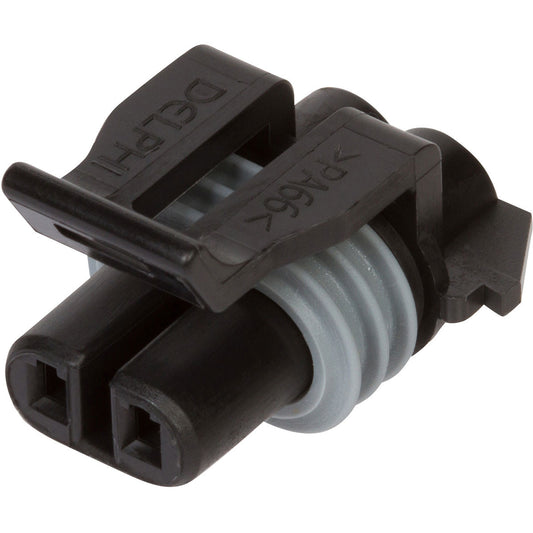
Sealed connectors include rubber or silicone interface seals, cable grommets, and weatherproof housings that protect internal terminals. Delphi’s GT Series and APEX connectors, for example, use multi-rib silicone seals and primary lock reinforcement (PLR) to maintain a tight seal under pressure. These designs meet or exceed USCAR and ISO performance standards for automotive applications.
How Sealed Connectors Protect Against Moisture and Dust
Each cavity in a sealed connector is protected with a cable seal that compresses around the wire insulation. Combined with the interface seal between connector halves, this system blocks contaminants such as dirt, salt, and fluids—preserving low contact resistance and preventing pin corrosion. Properly crimped terminals, such as Delphi’s tin-plated brass GT 150 or Metri-Pack terminals, ensure stable conductivity even in harsh environments.
Typical Applications in Automotive and Industrial Systems
Sealed connectors are ideal for:
-
Under-hood and chassis harnesses
-
Marine and agricultural equipment
-
Heavy-duty vehicles and off-road applications
-
Industrial control systems exposed to dust or moisture
Common examples include Delphi Weather Pack, Metri-Pack 280 Series sealed connectors, and Deutsch DT and DTP Series—all recognized for their superior ingress protection (IP) rating and long service life.
What Are Unsealed Connectors?
Key Features and Design Elements
Unsealed connectors lack environmental seals but retain the same high-precision terminal engagement and locking systems found in sealed models. They often use tangless terminals, secondary locking mechanisms, and high-density housings for compact installations.
When Unsealed Connectors Are Sufficient
Unsealed connectors are appropriate in protected areas such as:
-
Inside the vehicle cabin or instrument panel
-
Lighting modules or fuse boxes sheltered from contaminants
-
Equipment operating in controlled indoor environments
They provide excellent electrical performance at lower cost and are easier to assemble when sealing isn’t required.
Common Use Cases in Protected Environments
-
Dash harness connectors
-
Control modules housed inside sealed enclosures
-
Diagnostic and test connections
Delphi’s unsealed GT 150 and Metri-Pack systems offer lightweight, cost-efficient solutions while maintaining low voltage drop and consistent contact retention.
Similarities Between Sealed and Unsealed Connectors
Despite their differences, both connector types share:
-
Common terminal materials such as tin-plated brass or beryllium copper
-
Standardized pin layouts and locking mechanisms
-
Electrical performance that supports stable signal and power transfer
-
Compliance with SAE and ISO standards for fit, function, and durability
These shared traits allow hybrid harness designs that mix sealed and unsealed sections using compatible housings and terminals.
Sealed vs Unsealed: Key Differences
Environmental Resistance and Durability
-
Sealed connectors are engineered for waterproof and dustproof performance (typically IP67 or higher).
-
Unsealed connectors are suitable only for clean, dry areas with limited exposure to vibration or fluids.
Cost and Maintenance Considerations
-
Sealed connectors cost more due to additional materials and manufacturing complexity, but they reduce corrosion-related failures and rework costs.
-
Unsealed connectors are more affordable and simpler to service.
Ease of Installation and Replacement
-
Unsealed connectors are quicker to assemble since no seal compression is required.
-
Sealed connectors require correct wire insulation sizing and seal orientation but provide long-term reliability.
Size and Weight Differences
-
Sealed connectors are slightly larger and heavier due to integrated seals.
-
Unsealed connectors are lighter, making them ideal for tight or low-profile installations.
Pros and Cons of Each Connector Type
Advantages of Sealed Connectors
-
Excellent protection against moisture, dirt, and vibration
-
Suitable for engine compartments and outdoor exposure
-
Extended connector lifespan and lower failure rates
Drawbacks of Sealed Connectors
-
Higher cost and more complex assembly
-
Bulkier design may restrict use in tight spaces
Advantages of Unsealed Connectors
-
Cost-effective and easy to install
-
Compact and lightweight for interior or low-stress applications
Drawbacks of Unsealed Connectors
- Not resistant to moisture, dust, or chemical exposure
-
Reduced reliability in high-vibration or temperature-fluctuating environments
When to Use Each Connector Type
Ideal Scenarios for Sealed Connectors
Use sealed connectors when your wiring system is:
-
Exposed to water, oil, or road debris
-
Mounted near wheels, engines, or HVAC systems
-
Installed outdoors or in marine/agricultural machinery
Top picks include Delphi GT 150/280 Sealed, Metri-Pack 150/280 Sealed, and Deutsch DT Series connectors.
Ideal Scenarios for Unsealed Connectors
Use unsealed connectors when:
-
Wiring is inside a cabin, console, or protected enclosure
-
You need a lightweight, low-cost option for high-volume assembly
-
Moisture and dust exposure is minimal
Hybrid Use in Mixed Environments
Many modern wiring harnesses use both types. For example, a sealed GT 280 underhood connection may terminate into an unsealed interior harness—balancing cost, performance, and packaging efficiency.
People Also Asked
Are sealed connectors completely waterproof?
Not entirely. Sealed connectors are water-resistant and rated for temporary immersion (IP67/IP68), not prolonged submersion. Proper crimping and seal selection are essential for maintaining protection.
Can unsealed connectors be upgraded with seals?
Generally, no. Unsealed housings lack the internal geometry required for compression sealing. However, you could replace them with a sealed version from the same connector family (e.g., upgrading from Delphi GT unsealed to GT sealed).
Which connector type lasts longer in high-vibration areas?
Sealed connectors typically last longer because the seals help dampen vibration and prevent fretting corrosion between terminals.
Conclusion: Choosing the Right Connector for Your Environment
When deciding between sealed and unsealed connectors, consider the operating environment, service requirements, and cost of failure. Sealed connectors are worth the investment for any application exposed to the elements, while unsealed connectors remain ideal for controlled settings.
Reliable Sealed and Unsealed Connectors from Custom Connector Kits (CCK)
At Custom Connector Kits (CCK), we stock high-performance sealed and unsealed automotive connectors from trusted brands like Aptiv (formerly Delphi), TE Connectivity, Deutsch, and Molex. Whether you’re building a custom harness or repairing OEM wiring, we offer complete connector kits, terminals, seals, and crimping tools—all tested for compatibility and durability.
Explore our full collection of automotive connector kits to find the perfect match for your next project.
Internal Links:
- Crimping Tools: Getting the Perfect Connection Every Time
- Weather-Pack and Metri-Pack Connector Kits
-
How to Identify Automotive Connector Types
External Reference: