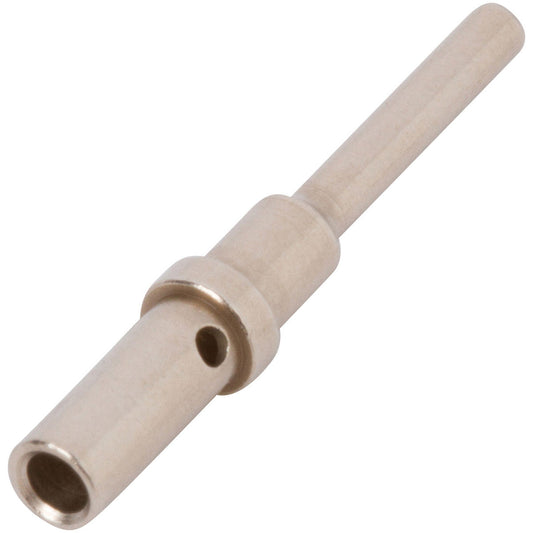
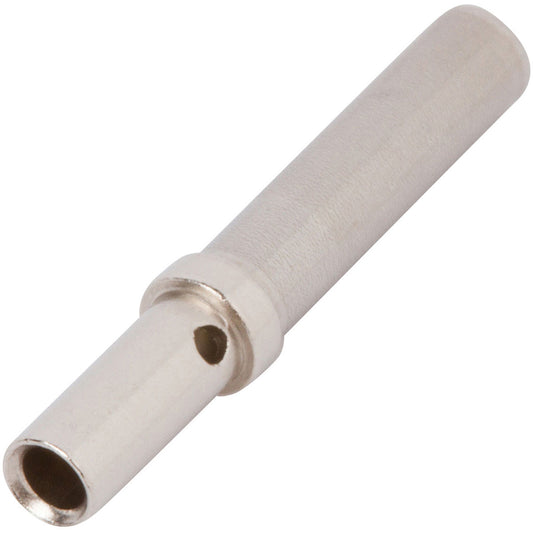
Introduction: Why Plating Matters in Automotive Connectors
In automotive wiring, the quality of a terminal’s plating can mean the difference between a reliable connection and a costly electrical failure. Plating materials—like tin, nickel, gold, and silver—protect terminals from corrosion, improve conductivity, and enhance durability in demanding environments. Choosing the right type ensures your connectors maintain low resistance, tight mating force, and long-term performance under heat, vibration, and oxidation.
The Purpose of Plating on Terminals and Pins
Plating acts as both a protective barrier and performance enhancer. It shields the base metal (usually copper or brass) from environmental exposure while improving conductivity and reducing wear from repeated connections. In high-vibration or high-temperature systems—like those found in engine bays, EV drivetrains, or lighting harnesses—plating integrity directly affects electrical reliability.
How Plating Affects Conductivity, Durability, and Corrosion Resistance
Each plating type offers unique trade-offs:
-
Tin balances cost and corrosion protection.
-
Nickel adds durability under heat and wear.
-
Gold provides unmatched corrosion resistance for precision applications.
-
Silver offers the highest conductivity but is sensitive to tarnish.
Understanding the Four Main Plating Types
Tin Plating
Characteristics and Common Applications
Tin is the most common plating in automotive connectors. Found in Delphi GT and Metri-Pack terminals, it offers good conductivity at a low cost. Tin-plated connectors are used in lighting systems, sensors, and general-purpose harnesses.
Advantages of Tin Plating
-
Cost-effective for mass production
-
Excellent solderability and crimp performance
-
Good protection against oxidation and corrosion
-
Compatible with standard automotive current ratings
Limitations of Tin Plating
-
Susceptible to fretting corrosion under vibration
-
Limited temperature resistance (typically up to 125°C)
-
Not ideal for low-voltage signal integrity or long-term high-current exposure
Nickel Plating
Characteristics and Common Applications
Nickel plating serves as a protective and diffusion barrier, often layered under other platings like gold or tin. It withstands extreme environments, making it common in engine sensors, alternator connectors, and powertrain applications.
Advantages of Nickel Plating
-
Excellent wear and corrosion resistance
-
Withstands temperatures up to 260°C
-
Serves as a base for gold or silver overlays
-
Provides mechanical hardness for repeated mating cycles
Limitations of Nickel Plating
-
Slightly higher contact resistance
-
More expensive and harder to crimp than tin
-
Requires precise process control to avoid micro-cracks
Gold Plating
Characteristics and Common Applications
Gold plating delivers the best electrical reliability and long-term corrosion resistance. It’s typically used in low-voltage, high-precision systems, like data, sensor, or ECU connectors.
Advantages of Gold Plating
-
Superior corrosion and oxidation resistance
-
Stable contact resistance even at microvolt levels
- Exceptional durability in high-cycle mating applications
-
Ideal for low-current signal integrity
Limitations of Gold Plating
-
High material cost
-
Can wear faster without a nickel underlayer
-
Overkill for high-current power systems
Silver Plating
Characteristics and Common Applications
Silver has the highest electrical and thermal conductivity of any plating metal. It’s ideal for high-current, high-performance circuits, such as battery terminals, starter motor cables, or EV applications.
Advantages of Silver Plating
-
Highest conductivity among all metals
- Excellent heat dissipation
-
Effective in high-current or heavy-duty systems
-
Often paired with nickel for enhanced durability
Limitations of Silver Plating
-
Prone to tarnish (sulfide formation) in humid or polluted environments
-
Higher cost than tin but less corrosion-resistant than gold
-
Requires cleaning or protective atmosphere for long-term stability
How Plating Types Compare in Automotive Applications
|
Property |
Tin |
Nickel |
Gold |
Silver |
|
Conductivity |
Good |
Fair |
Excellent |
Superior |
|
Corrosion Resistance |
Good |
Excellent |
Superior |
Moderate |
|
Heat Resistance |
Up to 125°C |
Up to 260°C |
Up to 200°C |
Up to 180°C |
|
Cost |
Low |
Moderate |
High |
Moderate |
|
Ideal Use |
General purpose |
High temp/power |
Precision electronics |
High current systems |
Electrical Conductivity
-
Silver leads with the best conductivity.
-
Gold follows with stable, low resistance under corrosion.
-
Tin is adequate for most standard automotive currents.
-
Nickel performs reliably when paired with another plating.
Corrosion and Oxidation Resistance
Gold resists oxidation completely, while nickel and tin offer excellent corrosion protection. Silver’s tendency to tarnish limits its use in exposed environments unless properly sealed.
Temperature Tolerance and Heat Performance
Nickel plating outperforms others in sustained heat exposure, making it a top choice for engine compartment connectors.
Durability Under Vibration
Nickel and gold resist fretting corrosion best. Tin-plated connectors may show micro-wear in high-vibration systems unless lubricated or sealed.
Cost and Availability
Tin remains the industry standard due to its low cost and strong overall performance. Gold and silver are premium options used only when precision or conductivity justify the expense.
Pros and Cons Overview
Advantages
-
Tin: Affordable, versatile, widely available.
-
Nickel: Heat and corrosion tough.
-
Gold: Unmatched reliability in sensitive circuits.
-
Silver: Top conductivity for heavy power.
Drawbacks
-
Tin can corrode in harsh conditions.
-
Nickel has higher resistance.
- Gold is expensive.
-
Silver tarnishes easily.
Choosing the Right Plating for Your Application
-
Use Tin-Plated Terminals for most automotive connections, sensors, and lighting harnesses.
-
Use Nickel-Plated Terminals for underhood or high-temperature systems.
-
Use Gold-Plated Terminals for low-voltage data, ECU, or diagnostic connectors.
-
Use Silver-Plated Terminals for high-current or EV applications requiring minimal voltage drop.
For example, Delphi GT 150 and 280 Series connectors commonly use tin plating for their cost and reliability balance, while gold-plated variants are reserved for EGR or sensor connectors requiring ultra-low resistance.
People Also Asked
Which plating offers the best conductivity?
Silver offers the best conductivity of all metals, making it ideal for high-current applications. Gold follows closely for consistent low-resistance signal transfer.
What is the most cost-effective terminal plating option?
Tin plating provides excellent performance at the lowest cost, making it the most economical choice for general automotive wiring.
Does plating thickness affect performance?
Yes. Thicker plating improves corrosion and wear resistance but increases cost. Optimal thickness varies by material and environment (typically 1–3 µm for tin, 0.1–1 µm for gold).
Can different platings be mixed in the same system?
Mixing is possible, but contact between dissimilar metals can cause galvanic corrosion. Always match plating types where terminals mate.
Conclusion: Matching Plating Type to Performance Needs
Selecting the right plating is about balancing performance, cost, and environment. Tin-plated terminals work for most uses, but gold, nickel, and silver platings deliver specialized advantages where precision or durability demand it.
Custom Connector Kits (CCK) offers high-quality Delphi, Deutsch, and Metri-Pack terminals in all common plating finishes — tested, OEM-approved, and ready to install.