Introduction: Why the Distinction Matters
In the world of automotive wiring, the terms terminal and connector are often used interchangeably—but they’re not the same thing. Understanding how they differ is key to selecting the right components for wiring repairs, upgrades, or custom harness fabrication.
Whether you’re fixing a corroded plug or building a new wire harness from scratch, knowing what each component does can prevent misfitted parts, voltage loss, and unnecessary rework.
Common Confusion Between Terminals and Connectors
Many DIYers—and even some technicians—mistakenly refer to terminals as connectors. While both are part of the same electrical system, they perform distinct roles:
-
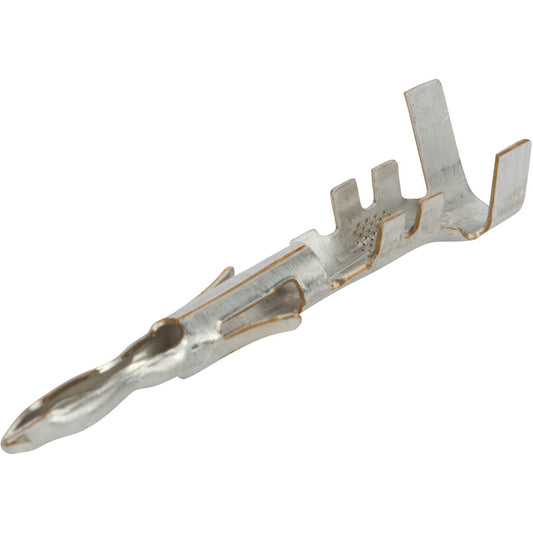
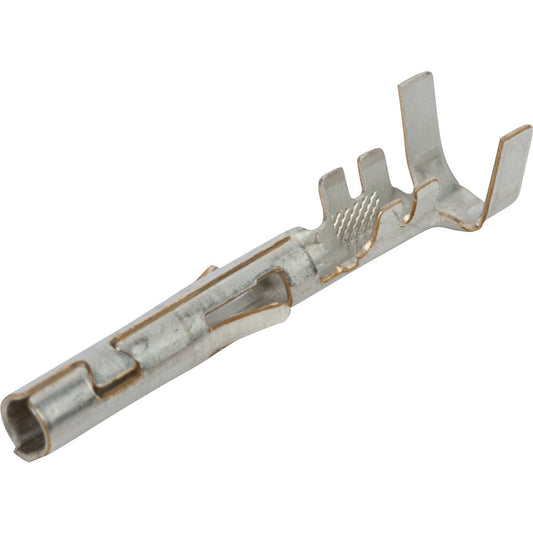
Terminals are the metal conductive elements that make or break electrical contact.
-
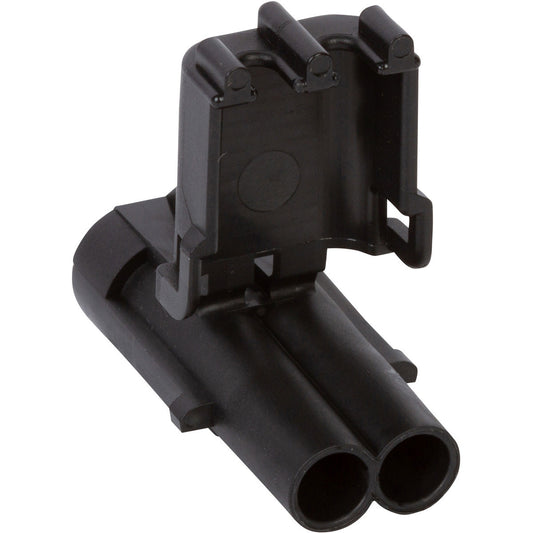
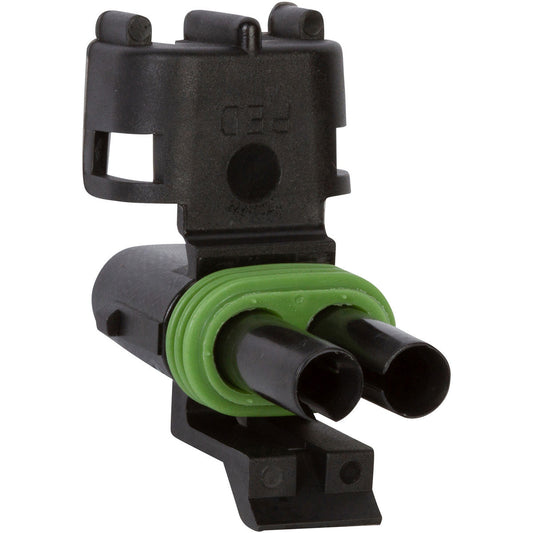
Connectors are the plastic or composite housings that hold and protect those terminals.
The Role They Play in Automotive Electrical Systems
Together, terminals and connectors ensure that electricity flows safely and reliably throughout the vehicle—from battery and sensors to headlights and control modules. A single loose or corroded terminal can cause intermittent faults, DTCs, or complete circuit failure.
💡 Quick tip: Before replacing any harness section, inspect both the metal terminal condition and the connector housing integrity—you might only need one or the other.
What Is a Terminal?
Definition and Function
An automotive terminal is the metallic conductive piece that attaches to the end of a wire, enabling it to transmit electrical current. Terminals are inserted into connector housings to complete circuits and are typically made of brass, copper, or tin-plated alloys for corrosion resistance and conductivity.
Common Types of Terminals
Pin Terminals
Used for male connections, these project into a matching socket. Common in Deutsch DT and Delphi Weather-Pack systems.
Blade or Spade Terminals
Flat tabs designed for quick connections and disconnections, often used in fuse boxes and relay panels.
Ring Terminals
Circular ends used to secure wires under screws or bolts—ideal for grounding and battery connections.
Socket Terminals
The female counterparts to pins, creating a secure mating interface inside connector housings.
Where Terminals Are Used in Vehicles
You’ll find terminals everywhere: from sensor harnesses and headlight circuits to alternator output leads and battery grounds. Their design ensures tight metal-to-metal contact, which minimizes resistance and heat buildup.
🔗 Explore Automotive Terminals & Tools to find compatible crimp dies and kits for Deutsch, AMP, and Delphi systems.
What Is a Connector?
Definition and Function
An automotive connector is the housing that holds and aligns terminals, ensuring correct mating and environmental protection. Connectors provide mechanical retention, keying, and often sealing against moisture, dirt, and vibration.
Connectors can contain anywhere from one to over 100 terminals, depending on the circuit complexity.
Main Types of Connectors
Wire-to-Wire Connectors
Join two sections of wire harnesses—like the Deutsch DT or Delphi Weather-Pack systems.
Wire-to-Board Connectors
Connect wiring to PCB-mounted devices, common in control modules and infotainment units.
Sealed vs. Unsealed Connectors
-
Sealed connectors include grommets and silicone seals for harsh conditions.
-
Unsealed connectors are used in interior applications where moisture exposure is low.
🔗 Shop Sealed Connector Kits for environments exposed to heat, dust, or water.
Where Connectors Are Used in Vehicles
Connectors appear at every harness junction—from engine sensors and headlights to airbag systems, radios, and trailer wiring. They make modular service and replacement possible without redoing the entire wire run.
Reference: TE Connectivity Automotive Solutions | Aptiv/Delphi Connection Systems
Terminal vs Connector: Key Differences
|
Aspect |
Terminal |
Connector |
|
Material |
Metal (copper, brass, tin, or gold-plated alloy) |
Plastic, nylon, or composite housing |
|
Function |
Conducts electricity between wires or components |
Holds, aligns, and protects terminals |
|
Location |
Crimped/soldered to the wire end |
Surrounds terminals to create a mated pair |
|
Serviceability |
Individual terminals can be replaced |
Full connectors are replaced if damaged |
|
Environmental Role |
Minimal (relies on plating) |
Provides weatherproofing and strain relief |
Function in the Electrical Circuit
Terminals make direct contact, transferring current. Connectors serve as the interface, aligning and protecting those terminals. Without one, the other can’t do its job.
Durability and Environmental Resistance
Connectors shield terminals from water, debris, and vibration, especially in engine compartments and underbody locations. Terminals themselves depend on plating and crimp integrity for corrosion protection.
Replacement and Repair Considerations
When troubleshooting wiring issues:
-
Replace terminals if the wire is intact but the pin is corroded or loose.
-
Replace connectors if locking tabs, seals, or housings are cracked.
🧰 Pro Tip: Use a terminal removal tool kit to safely extract and reuse terminals without damaging the connector body.
How Terminals and Connectors Work Together
The Relationship Between the Two Components
Every connector houses multiple terminals, each crimped or soldered to a wire. When mated, the pins and sockets form electrical contact, while the housing and seals provide alignment and protection.
In short:
-
Terminals = electrical function
-
Connectors = mechanical + environmental function
Examples in Automotive Wiring Harnesses
-
Deutsch DT connectors use size 16 solid pin and socket terminals inside a rugged thermoplastic shell.
-
Delphi Metri-Pack systems feature box and blade style terminals with secondary locks.
-
APEX connectors combine connector housings with integrated rubber gaskets for enhanced sealing capabilities.
🔗 Learn more about Deutsch Connectors and Terminals and how to choose the right contact style for your application.
Choosing the Right Terminal and Connector for Your Needs
Matching Wire Gauge and Terminal Size
Always match the terminal to the wire gauge (AWG).
-
Example: 18 AWG → size 16 DEUTSCH terminal; 12 AWG → size 12 DEUTSCH terminal.
Incorrect sizing can lead to poor crimps and voltage drop.
📘 See our Automotive Wire Gauge Guide to confirm compatibility.
Sealing Requirements
For engine bays, off-road vehicles, or marine applications, use sealed connectors with integrated grommets. In dash or cabin wiring, unsealed connectors save cost and space.
Current and Voltage Ratings
Each terminal is rated for specific amperage and voltage. For instance:
-
Deutsch DT (size 16): up to 13A continuous
-
Deutsch DTP (size 12): up to 25A
-
Delphi Metri-Pack 280: up to 30A
Reference: SAE J2030 Wiring Performance Standards
Frequently Asked Questions (People Also Asked)
Are terminals and connectors interchangeable terms?
No. The terminal is the metal contact, and the connector is the housing that holds one or more terminals. They work together but are not interchangeable.
Can I replace just a terminal without changing the connector?
Yes—if the connector housing and seals are undamaged. Use a terminal extraction tool and re-crimp a new terminal using an OEM-grade crimping tool for best results.
Which is more important for electrical reliability?
Both. Terminals ensure conductivity; connectors ensure durability and protection. Reliable wiring requires the correct pairing of both components.
Conclusion: Getting the Right Parts for the Job
Quality Terminals and Connectors from Custom Connector Kits (CCK)
Choosing the right combination of terminals and connectors ensures long-term reliability for any automotive project—from simple headlight fixes to complex harness rebuilds.
At Custom Connector Kits, you’ll find OEM-quality:
-
Deutsch Connectors & Terminals for sealed applications
-
AMP & Delphi Systems for OEM replacements
Professional Crimping Tools for secure, gas-tight connections