Introduction: Tools Are the Key to Reliable Connections
Why Connector Installation Isn’t Just About the Parts
Automotive connectors are only as reliable as the tools that install them. Even the most advanced Delphi GT or Deutsch DT connector can fail if it’s crimped, stripped, or sealed incorrectly. The right tools guarantee consistent pressure, clean contact surfaces, and long-lasting electrical performance — whether you’re repairing a factory harness or wiring a custom build.
The Risks of Using Improvised Tools
Generic pliers or hobby cutters might seem convenient, but they crush terminals, nick wires, and damage seals. That creates resistance, heat buildup, and intermittent faults. Purpose-built automotive connector tools are designed to meet OEM tolerances and eliminate those risks — protecting both the circuit and your time.
Essential Tools for Automotive Connector Installation
Wire Strippers for Clean Cuts
- Accurate wire stripping prevents strand damage and ensures full conductor contact. Use adjustable or automatic strippers sized for your AWG wire gauge.
Crimping Tools for Secure Terminations
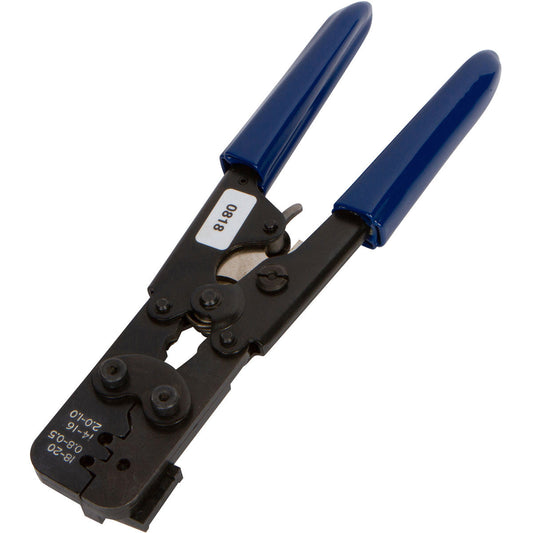
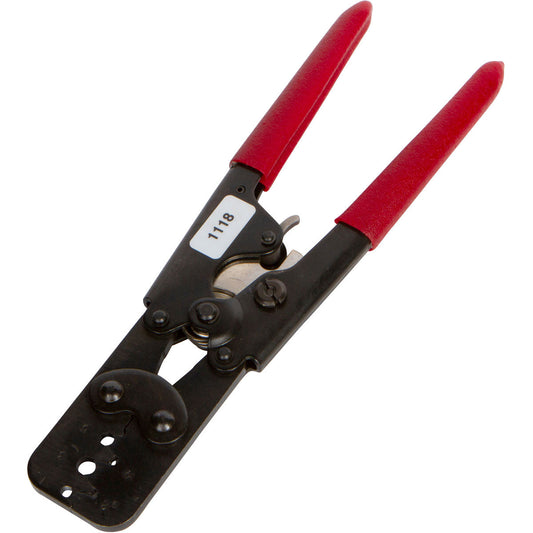
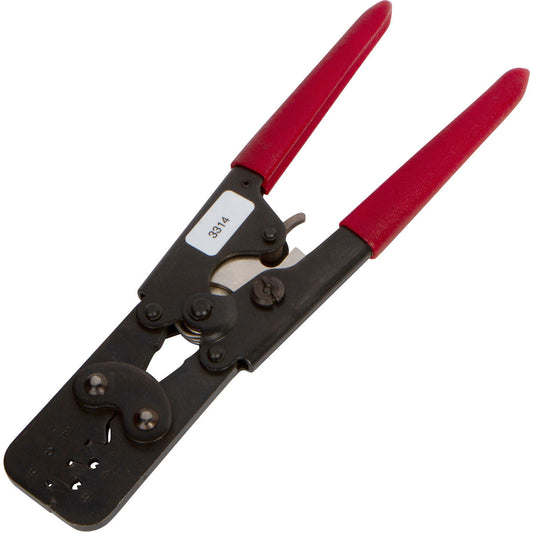
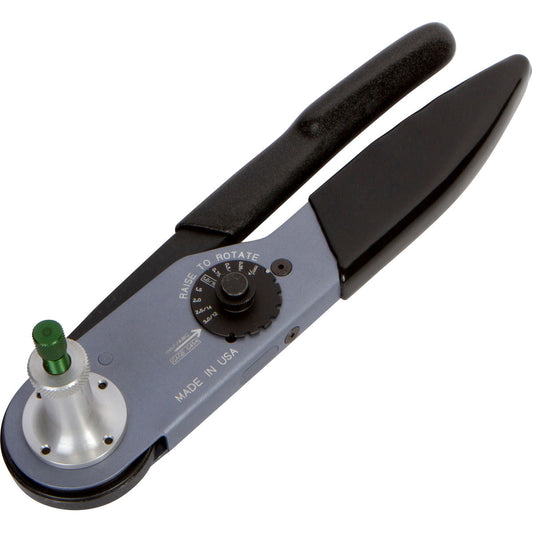
A professional ratcheting crimper forms a gas-tight mechanical bond between wire and terminal. Each connector family has its own geometry:
- Delphi Metri-Pack: open-barrel crimpers with matched die cavities (150 – 800 series).
- Deutsch DT / DTM / DTP: closed-barrel / 4-way indent crimpers with height position barrels for precise pin compression.
- Weather Pack: dual-crimp tools that compress the conductor and seal in one motion.
Correct crimp height and die alignment ensure uniform conductivity and vibration resistance.
Shop CCK Crimping Tools and Connector Kits customconnectorkits.com/collections/tools
Heat Shrink and Sealing Tools
Use a controlled-temperature heat gun to shrink tubing or activate seal adhesives evenly. Overheating can deform housings or compromise insulation. Proper sealing maintains IP-rated moisture protection — critical in under-hood or off-road applications.
Essential Tools for Connector Removal
Terminal Extraction Tools
Removal tools release terminals without bending the locking tangs or scarring plastic housings. Each connector family — Metri-Pack, DT, Weather Pack, etc. — requires a release blade sized for its cavity.
Small Screwdrivers vs. Dedicated Removal Tools
A jeweler’s screwdriver can slip and gouge the cavity. A dedicated removal tool fits precisely, depressing the lock mechanism cleanly and preventing damage.
Preventing Housing Damage
Connector housings are engineered with strict tolerances. Forcing terminals out with the wrong implement can warp alignment or tear seals. Proper extraction tools keep the housing reusable and the seals intact.
How Proper Tools Protect Your Investment
Preventing Wire and Terminal Damage
Quality crimpers apply even force that preserves strand integrity, eliminating resistance points and premature heat failure.
Ensuring Consistent Crimps and Locks
Ratcheting mechanisms ensure full compression before release, meeting OEM pull-out-strength and continuity standards every time.
Maintaining Connector Seals for Longevity
Misaligned or punctured seals lead to corrosion and moisture intrusion. Correct seal-insertion tools maintain waterproof integrity for years of service.
Common Mistakes When Using the Wrong Tools
- Crushing Terminals with Pliers – uneven pressure distorts barrels and reduces contact area.
- Damaging Seals During Removal – torn silicone grommets compromise environmental protection.
-
Inconsistent Electrical Performance – loose crimps cause flickering lights, ECU faults, or total circuit loss.
The Right Tools for the CCK Product Line
Tools for Delphi / Metri-Pack Connectors
Use Delphi-approved open-barrel crimpers for 150-, 280-, 480-, and 630-series terminals. Pair with matching terminal-release tools. Delphi terminals are often tin-plated brass.
Tools for Weather Pack Connectors
Weather Pack systems use singel-step ratcheting tools for wire and seal compression. Compatible seal diameters range 1.29–4.3 mm. Proper tools maintain <10 mΩ resistance and prevent corrosion in extreme environments.
Tools for Deutsch Connectors
Deutsch solid contacts require the use of a 4-way indent style crimper, like the HDT-48-00, with variable height positioners. Pair with DT-RT1 extraction tool for safe pin removal without damaging housings or wedges.
People Also Ask
What is the best crimping tool for automotive connectors?
The best tool depends on your connector series and wire size. For most Delphi Metri-Pack or Weather Pack connectors, a ratcheting open-barrel crimper ensures precise, repeatable crimps that meet OEM standards.
Can I reuse Delphi or Deutsch terminals after removal?
It’s not recommended. Once extracted, terminal locking tabs weaken, reducing retention and increasing risk of vibration failure or voltage drop. Always replace terminals for long-term reliability.
What wire gauge sizes are compatible with Delphi Metri-Pack connectors?
Metri-Pack connectors handle 0.35 – 8.0 mm² (22–8 AWG) wires depending on series:
- 150 Series → 0.35–1.0 mm² (up to 14 A)
- 280 Series → 0.35–5.0 mm² (up to 30 A)
-
480 / 630 / 800 Series → 0.35–5.0 mm² (up to 60 A)
How do I remove a terminal without damaging the connector?
Insert a terminal release tool into the cavity to depress the locking mechanism, then pull the wire straight back. Avoid twisting or prying with screwdrivers — that can warp the housing or tear seals.
Conclusion: Equip Yourself for Success
Shop CCK for Connectors and Matching Tools
From precision terminal removal tools to OEM-grade crimpers and die sets, CCK provides everything you need for professional-level connector installation. Whether you’re upgrading a harness or repairing factory wiring, the right tools ensure every connection is secure, sealed, and built to last.
Explore Tools & Kits: customconnectorkits.com/collections/tools