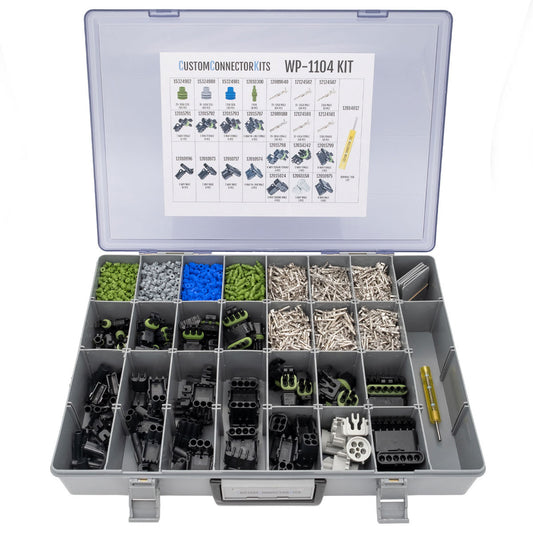
Off-Road Electrical Connectors
The best off-road electrical connectors are designed to withstand vibration, moisture, dust, temperature changes, and demanding field conditions. Reliable connectors for heavy equipment combine environmental sealing, secure contact retention, proper termination, and application-specific contact systems to reduce electrical failures and equipment downtime.
Why Connector Selection Matters in Off-Road Equipment
Electrical connectors are often some of the smallest components in a machine, but they play a critical role in overall equipment reliability.
Construction equipment, agricultural machinery, mining equipment, and fleet vehicles rely on electrical connections to operate:
-
Sensors
-
Control modules
-
Lighting systems
-
Hydraulic controls
-
Safety systems
-
Auxiliary equipment
Unlike electrical systems installed in controlled environments, off-road equipment operates in conditions where connectors are constantly exposed to stress.
Common challenges include:
-
Continuous vibration
-
Dust and debris
-
Moisture exposure
-
Pressure washing
-
Temperature extremes
-
Mechanical movement
A connector failure may not always result in a complete electrical shutdown. In many cases, failures appear as intermittent faults that are difficult to diagnose and time-consuming to repair.
This is why selecting the correct heavy equipment connectors requires more than choosing a connector that physically fits. The connector must be matched to the environment, electrical requirements, and service expectations of the application.
Related Resource: How to Diagnose Wiring vs Connector Problems in Vehicles
Why Off-Road Equipment Creates Unique Electrical Challenges
Off-road equipment creates a combination of environmental and mechanical challenges that can accelerate connector failure.
A connector installed on an excavator, tractor, or utility vehicle may experience thousands of hours of vibration while being exposed to moisture, dirt, and temperature changes.
Understanding these failure risks is the first step in selecting reliable off-road electrical connectors.
|
Environmental Challenge |
Potential Electrical Impact |
|
Vibration |
Terminal movement, intermittent signals, contact wear |
|
Moisture |
Corrosion, increased resistance, electrical faults |
|
Dust and debris |
Contamination, contact damage, reduced reliability |
|
Temperature changes |
Seal stress, material expansion and contraction |
|
Field servicing |
Increased risk of improper repairs |
What Makes a Connector Reliable in Off-Road Applications?
A reliable off-road connector system is not defined by one feature alone.
Long-term performance depends on how several design elements work together:
-
Environmental sealing
-
Contact retention
-
Proper contact sizing
-
Correct termination
-
Serviceability
The best connector solution balances protection, performance, and maintenance requirements.
Environmental Sealing: Protecting Connections From the Elements
One of the primary challenges in off-road applications is preventing contaminants from reaching the electrical contact interface.
Moisture, dust, and chemicals can create conditions that lead to:
-
Connector corrosion
-
Increased electrical resistance
-
Intermittent failures
-
Reduced service life
A properly designed sealed electrical connector uses multiple layers of protection.
These may include:
-
Wire entry seals
-
Interface seals between connector halves
-
Environmental housings
-
Properly sealed accessories
The goal is not simply to keep water out. It is to maintain a clean, stable electrical connection throughout the equipment's operating life.
Related Resource: IP67 vs IP68 Connectors: What Do IP Ratings Really Mean?
Vibration Resistance and Contact Retention
Vibration is one of the most common causes of electrical failures in mobile equipment.
A connector may appear connected externally while still experiencing internal electrical problems.
Repeated vibration can cause:
-
Terminal movement
-
Loss of contact pressure
-
Fretting between contact surfaces
-
Intermittent electrical signals
Reliable connector systems use contact retention features to prevent these issues.
Examples include:
-
Secondary locking systems
-
Secure mating mechanisms
A vibration resistant connector must maintain contact position throughout the life of the equipment.
This is especially important in:
-
Construction equipment
-
Agricultural machinery
-
Mining equipment
-
Off-road vehicles
Related Resource: How Wedgelocks Prevent Connector Failure in Harsh Environments
Proper Termination: The Connection Behind the Connector
Even the most durable connector housing cannot compensate for poor electrical termination.
The contact-to-wire connection is one of the most important parts of the electrical system.
A properly executed gas-tight crimp termination helps:
-
Reduce oxidation
-
Maintain electrical conductivity
-
Improve mechanical strength
-
Support long-term reliability
Incorrect termination can create:
-
Increased resistance
-
Heat buildup
-
Intermittent faults
-
Premature failure
Reliable off-road electrical systems require:
-
The correct contact size
-
The correct wire gauge
-
Proper crimp tooling
-
Consistent installation procedures
Related Resources:
-
How to Achieve a Proper Gas-Tight Crimp for Industrial Connectors
-
Why the Right Tools Matter for Installing and Removing Automotive Connectors
Choosing the Right Connector Family: DT vs HD Solutions
CCK supports multiple connector families because different applications have different requirements.
The choice between DT and HD connector systems depends on:
-
Equipment design
-
Space requirements
-
Mechanical demands
-
Service needs
DT Connector Systems
DT connector systems are commonly used in mobile equipment applications where reliability, modularity, and serviceability are important.
Advantages include:
-
Sealed rectangular design
-
Modular contact systems
-
Field-service-friendly configuration
-
Common tooling approach
DT connectors are often used for:
-
Equipment controls
-
Lighting systems
-
Sensors
-
Auxiliary circuits
Related Resource: DT vs DTM vs DTP Connectors: Differences in Contact Size, Amp Rating, and Application
HD Connector Systems
HD connector systems are designed for applications requiring rugged circular connector designs.
Advantages include:
-
Durable housing options
-
Circular form factor
-
Strong mechanical protection
-
Multiple contact configurations
HD connectors are commonly considered for:
-
Industrial equipment
-
Heavy-duty applications
-
Systems requiring circular connector designs
Related Resource: HD30 vs HDP20 Connectors: Metal vs Thermoplastic Housing Differences Explained
DT vs HD Connector Comparison
|
Feature |
DT Connector Family |
HD Connector Family |
|
Housing Style |
Rectangular |
Circular |
|
Primary Advantage |
Modular and serviceable |
Rugged mechanical design |
|
Common Applications |
Mobile equipment, controls, auxiliary systems |
Heavy-duty industrial applications |
|
Serviceability |
High |
Application dependent |
|
Environmental Performance |
Designed for harsh environments |
Designed for demanding applications |
The correct choice depends on the equipment requirements—not simply connector size or appearance.
How to Select the Right Off-Road Connector
Choosing the right off-road electrical connectors requires evaluating the entire operating environment—not just selecting a connector based on appearance, size, or price.
A reliable connector selection process should consider:
-
Environmental exposure
-
Mechanical stress
-
Electrical requirements
-
Service requirements
-
Future maintenance needs
The goal is to select a connector system that provides the right balance of:
-
Environmental protection
-
Electrical performance
-
Field serviceability
-
Long-term reliability
Step 1: Evaluate Environmental Exposure
The first step is understanding what conditions the connector will experience during normal operation.
Ask:
-
Will the equipment operate outdoors?
-
Is the connector exposed to water or washdowns?
-
Will it encounter dust, mud, or chemicals?
-
Is corrosion a concern?
Different applications create different environmental challenges.
For example:
A construction machine operating in mud and dust may prioritize:
-
Dust protection
-
Vibration resistance
-
Washdown capability
A marine or coastal application may prioritize:
-
Moisture resistance
-
Corrosion protection
-
Environmental sealing
The correct connector should match the actual environment rather than simply selecting the highest available specification.
Related Resource: IP67 vs IP68 Connectors: What Do IP Ratings Really Mean?
Step 2: Evaluate Mechanical Stress and Vibration
Mechanical conditions are often just as important as environmental exposure.
Off-road equipment experiences:
-
Engine vibration
-
Suspension movement
-
Mechanical shock
-
Harness movement
Over time, these forces can affect connector performance.
A reliable vibration resistant connector should maintain:
-
Contact alignment
-
Terminal retention
-
Consistent electrical connection
Features such as wedgelocks and secondary retention systems help prevent terminal movement and improve long-term reliability.
Related Resource: How Wedgelocks Prevent Connector Failure in Harsh Environments
Step 3: Determine Electrical Requirements
Connector selection must also match the electrical demands of the system.
Important considerations include:
-
Current requirements
-
Wire gauge
-
Contact size
-
Number of circuits
-
Available space
Using a connector with the wrong contact system can create problems such as:
-
Excess heat generation
-
Voltage drop
-
Poor crimp performance
-
Reduced service life
For example, the DT connector family includes multiple contact sizes designed for different circuit requirements.
-
DTM connectors support smaller signal and lower-current applications
-
DT connectors support general-purpose equipment circuits
-
DTP connectors support higher-current applications
Related Resource: DT vs DTM vs DTP Connectors: Differences in Contact Size, Amp Rating, and Application
Step 4: Consider Field Service Requirements
Off-road equipment is often repaired far from controlled shop environments.
For fleet managers and technicians, connector serviceability can have a major impact on downtime.
Important considerations include:
-
Availability of replacement contacts
-
Common tooling requirements
-
Ease of inspection
-
Repair procedures
Connector systems that use standardized contacts and tooling can simplify:
-
Technician training
-
Service inventory
-
Field repairs
Related Resources:
Off-Road Connector Applications
Different industries place different demands on electrical connector systems.
Understanding the application helps determine which features matter most.
Construction Equipment
Construction equipment represents one of the most demanding environments for electrical connectors.
Examples include:
-
Excavators
-
Loaders
-
Skid steers
-
Bulldozers
-
Compact equipment
Common challenges include:
-
Heavy vibration
-
Mud and dust exposure
-
Pressure washing
-
Mechanical impact
Reliable construction equipment electrical connectors should prioritize:
-
Environmental sealing
-
Contact retention
-
Durable housings
-
Easy field service
Agricultural Equipment
Agricultural machinery operates through changing seasons and harsh outdoor conditions.
Examples include:
-
Tractors
-
Harvesters
-
Sprayers
-
Planting equipment
Common challenges include:
-
Moisture exposure
-
Fertilizer and chemical contamination
-
Dust
-
Long periods of outdoor storage
Agricultural electrical connectors should provide:
-
Moisture resistance
-
Corrosion protection
-
Reliable sealing
-
Service-friendly designs
Mining and Forestry Equipment
Mining and forestry equipment often operates in some of the most demanding environments.
Common conditions include:
-
Extreme vibration
-
Dust exposure
-
Continuous operation
-
Limited service access
These applications require connector systems designed for:
-
Mechanical durability
-
Reliable contact retention
-
Long service intervals
Fleet and Utility Vehicles
Fleet applications often prioritize uptime and service efficiency.
Examples include:
-
Utility trucks
-
Service vehicles
-
Municipal equipment
-
Specialty vehicles
Important considerations include:
-
Repeatable repairs
-
Connector availability
-
Simplified tooling
-
Reduced maintenance time
Are Waterproof Connectors Enough for Off-Road Equipment?
A common mistake is assuming that a waterproof connector automatically provides reliable performance in harsh environments.
Environmental sealing is important, but it is only one part of connector reliability.
A durable off-road connector system also requires:
-
Vibration resistance
-
Proper contact retention
-
Correct contact sizing
-
Appropriate temperature rating
-
Quality termination
-
Serviceability
For example, an IP-rated connector may prevent water intrusion, but an improperly crimped contact can still create electrical resistance and failure.
Reliable systems require the connector, contacts, tooling, and installation process to work together.
Related Resources:
-
How to Achieve a Proper Gas-Tight Crimp for Industrial Connectors
-
Heat-Resistant Wiring and Jacketing: When and Why It’s Needed
Common Mistakes When Selecting Off-Road Connectors
Choosing Based Only on Price
The lowest-cost connector may not provide the reliability required for demanding applications.
A connector failure can create costs associated with:
-
Equipment downtime
-
Troubleshooting
-
Field repairs
-
Replacement labor
The better question is:
What connector provides the lowest total cost over the life of the equipment?
Assuming Waterproof Means Reliable
Water protection is important, but reliability depends on more than sealing.
A complete evaluation should include:
-
Environmental protection
-
Vibration performance
-
Contact system
-
Crimp quality
-
Serviceability
Ignoring Proper Tooling
Even the correct connector can fail if it is improperly terminated.
Common tooling mistakes include:
-
Using the wrong crimp tool
-
Selecting the wrong contact size
-
Incorrect wire preparation
Proper tooling helps ensure consistent electrical performance.
Selecting a Connector That Is Difficult to Service
Equipment downtime often occurs when repairs take too long.
A connector system should consider:
-
Technician familiarity
-
Replacement availability
-
Contact accessibility
-
Tool requirements
Off-Road Connector Selection Checklist
Before selecting a connector system, evaluate:
☐ Operating environment
☐ Moisture exposure
☐ Dust and contamination risk
☐ Vibration level
☐ Temperature range
☐ Current requirements
☐ Wire gauge compatibility
☐ Contact size
☐ Service requirements
☐ Required tooling
☐ Connector availability
☐ Future maintenance needs
A complete evaluation helps ensure the connector system supports reliable performance throughout the equipment lifecycle.
Frequently Asked Questions
What are the best connectors for off-road equipment?
The best connectors for off-road equipment are those designed for the application's environmental, electrical, and mechanical requirements. Key features include sealing, vibration resistance, proper contact retention, and reliable termination.
Why do connectors fail on heavy equipment?
Common causes include moisture intrusion, connector corrosion, vibration-related contact movement, improper crimping, and incorrect connector selection.
Are sealed connectors necessary for construction equipment?
In many construction applications, sealed connectors help reduce failures caused by dust, moisture, and environmental contamination.
What makes a connector vibration resistant?
Vibration-resistant connectors use features such as secure contact retention, secondary locking systems, and durable mating mechanisms to maintain electrical integrity.
Are DT connectors suitable for heavy equipment?
DT connector systems are widely used in mobile equipment applications because they provide sealed designs, modular contacts, and field-service-friendly configurations.
Key Takeaways
-
Off-road equipment connectors must withstand vibration, moisture, dust, and temperature changes.
-
Reliable connector performance depends on more than sealing alone.
-
Contact retention, proper crimping, and correct tooling are essential for long-term reliability.
-
DT and HD connector families provide different solutions depending on application requirements.
-
The best connector is the one matched to the equipment environment and service requirements.
Continue Your Technical Resource Journey
Explore additional Custom Connector Kits resources:
Connector Fundamentals
Connector Selection
-
DT vs DTM vs DTP Connectors: Differences in Contact Size, Amp Rating, and Application
-
HD30 vs HDP20 Connectors: Metal vs Thermoplastic Housing Differences Explained
-
Circular vs Rectangular Connectors: Key Design Tradeoffs Explained
Installation & Service
-
How to Achieve a Proper Gas-Tight Crimp for Industrial Connectors
-
Understanding Wire Gauges for Automotive Connectors: A Complete Guide
-
How Wedgelocks Prevent Connector Failure in Harsh Environments
-
Why the Right Tools Matter for Installing and Removing Automotive Connectors
Environmental Performance
Professional Advisory CTA
Selecting the right connector for off-road equipment requires balancing environmental protection, electrical performance, and serviceability.
Custom Connector Kits provides sealed connector systems, contacts, terminals, and tooling designed for demanding applications including heavy equipment, agriculture, fleet vehicles, and industrial machinery.
Whether you are designing a new electrical system or replacing connectors in the field, choosing components based on application requirements can help reduce downtime, improve reliability, and simplify long-term maintenance.
Explore Custom Connector Kits’ connector kits and technical resources to find solutions built for demanding operating environments.
Internal Linking Summary
Foundational Articles
Connector Family Articles
-
DT vs DTM vs DTP Connectors: Differences in Contact Size, Amp Rating, and Application
-
HD30 vs HDP20 Connectors: Metal vs Thermoplastic Housing Differences Explained
-
Circular vs Rectangular Connectors: Key Design Tradeoffs Explained
Installation Articles
-
How to Achieve a Proper Gas-Tight Crimp for Industrial Connectors
-
Understanding Wire Gauges for Automotive Connectors: A Complete Guide
-
How Wedgelocks Prevent Connector Failure in Harsh Environments
-
Why the Right Tools Matter for Installing and Removing Automotive Connectors
Environmental Articles
Product Links